
Climate Resilience

Towards a Sustainable Low-Carbon Society BCH is committed to reducing the climate change impact
BCH recognizes the increasing severity of climate change caused by greenhouse gas emissions, which not only affect the environment but are also closely linked to human health, society, and business operations. BCH therefore makes it a priority to address the issue by reducing and preventing such impacts through initiatives that focus on energy efficiency, increasing the share of clean and renewable energy, and fostering technology and innovation to conserve energy and reduce emissions. In addition, BCH promotes collaboration with all stakeholders to reduce or avoid the impact and improve efficiency, driving sustainable growth aligned with the Sustainable Development Goals (SDGs) and progressing towards future Carbon Neutrality.

Goals

- Reduce direct and indirect GHG emissions from energy use (Scope 1 and 2) by 5% compared to the 2024 baseline.
- Calculate other indirect GHG emissions (Scope 3).
- Reduce direct and indirect GHG emissions from energy use (Scope 1 and 2) by 20% compared to the 2024 baseline.
- Reduce other indirect GHG emissions (Scope 3) from the supply chain by 10% compared to the baseline.
- Achieve net zero greenhouse gas emissions (Net Zero Emissions).

Key Operational Highlights 2025
tons CO2eq
In 2025,
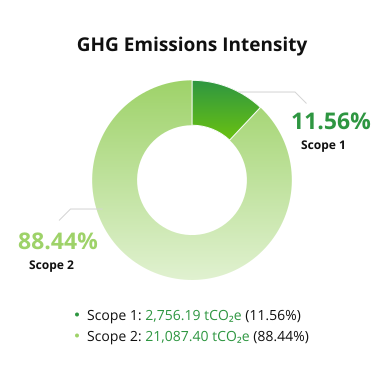
- Greenhouse gas emissions totaling 30,700.00 tons CO2eq
- Emissions intensity of 2.02 tons CO2eq per million baht of revenue.

liters
with an energy usage intensity of 38.52 liters per million baht of revenue.

kilowatt-hours
equivalent to an energy usage intensity of 4,794.32 kilowatt-hours per million baht of revenue.

kilowatt-hours
representing approximately 4.68% of total electricity consumption.
Challenges and Opportunities


Climate Scenario Analysis
The Company has developed a Climate Scenario Analysis Report to assess potential climate-related risks, opportunities, and impacts under different climate scenarios. The assessment is informed by internationally recognized frameworks and data sources, supporting risk management, strategic planning, and long-term organizational resilience, while reinforcing the Company's commitments to Carbon Neutrality 2030 and Net Zero Emissions 2050.
Integration of Climate Targets into Future Capital Expenditure
The Company incorporates climate-related considerations into the assessment of significant investment projects, including greenhouse gas emissions, energy efficiency, renewable energy use, and life-cycle cost-effectiveness.
Management and Operation Approach
BCH is committed to conducting its business with environmental responsibility. Minimizing both direct and indirect impacts will generate long-term benefits for the business and society.
Therefore, BCH has established environmental policies and management guidelines that encompass all employees, partners, contractors, and stakeholders, along with measures to mitigate risks from climate change, aiming to balance business growth with sustainable environmental stewardship.



Performance Overview
Renewable Energy Initiatives
BCH has implemented an energy transition plan as part of its strategy to reduce greenhouse gas emissions by increasing the use of renewable energy sources. This initiative aims to enhance energy efficiency and reduce electricity consumption costs. These efforts help minimize environmental impacts and promote a low-carbon future.

Solar Rooftop Installation Project
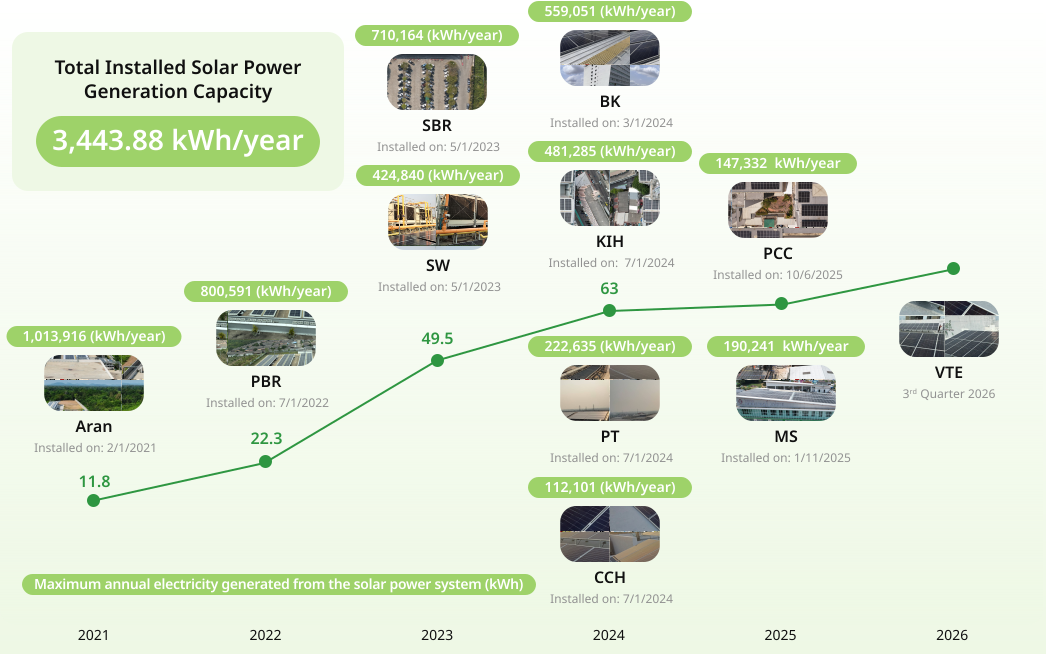
BCH has implemented a solar rooftop system across hospital buildings and parking areas within its network. The current total installed capacity has reached 3,066.06 kilowatts (kWp). This initiative generates a positive environmental impact by reducing approximately 1,636,426.71 kilograms of carbon dioxide equivalent (kgCO2e) per year and saving around 14 million Baht annually in energy costs. The project promotes the use of clean energy and reduces reliance on electricity generated from fossil fuels.
In 2025, BCH utilized a total of 3,495,146.76 kilowatt-hours (kWh) of electricity from renewable energy sources, accounting for 5.87% of the company’s total electricity consumption. BCH remains committed to increasing the proportion of renewable energy and minimizing environmental impacts in a sustainable manner. Moreover, the company has a plan to expand solar power generation capacity at Kasemrad Hospital Mae Sai.
| Hospital | Kwh |
|---|---|
| Kasemrad International Hospital Aranyaprathet | 749,300.00 |
| Kasemrad Hospital Prachinburi | 678,658.00 |
| Kasemrad Hospital Saraburi | 385,963.00 |
| Kasemrad Hospital Sriburin | 491,030.63 |
| Kasemrad Hospital Bangkae | 513,165.00 |
| Kasemrad International Hospital Rattanatibeth | 273,833.69 |
| Kasemrad Hospital Pathumthani | 175,718.72 |
| Kasemrad Hospital Chachoengsao | 117,855.75 |
| Kasemrad Hospital Prachachuen | 83,682.39 |
| Kasemrad Hospital Mae Sai | 25,939.58 |

EV Charging Station Installation Project
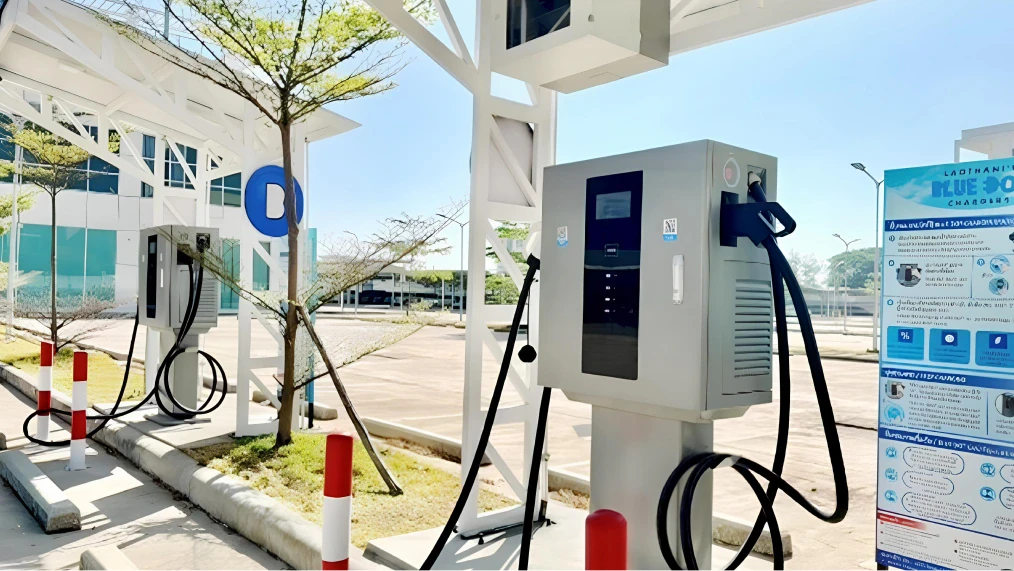
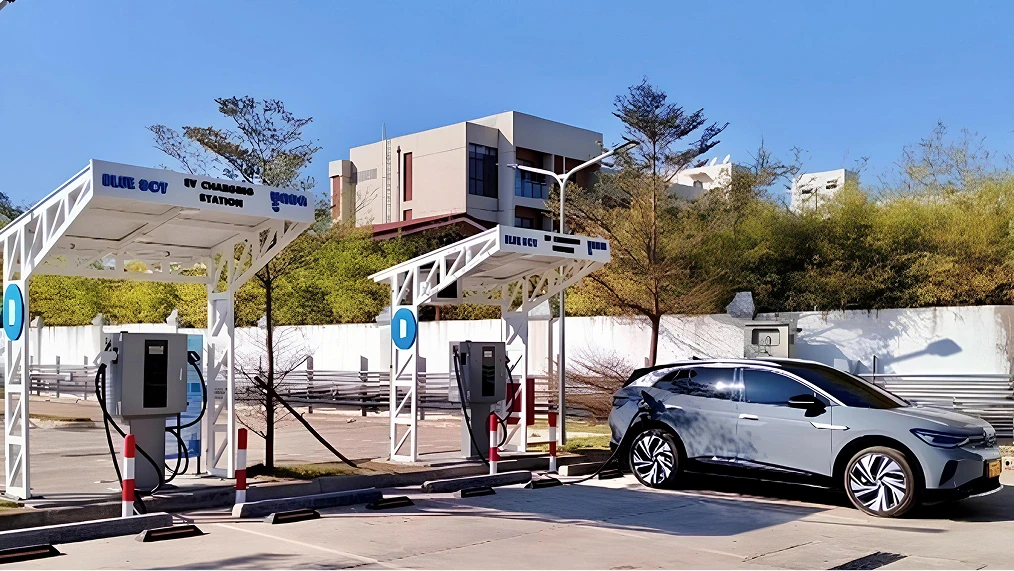
BCH has installed Electric Vehicle (EV) Charging Stations within its hospital premises to provide greater convenience for users and promote the adoption of electric vehicles. This initiative helps reduce greenhouse gas emissions, minimize air and noise pollution, and decrease dependence on fossil fuels, while also encouraging energy conservation and supporting the transition toward a low-carbon society.
Energy Efficiency Enhancement
BCH is committed to continuously implementing energy conservation measures, focusing on upgrading systems and equipment for higher efficiency, reducing energy loss, and increasing the use of clean energy. These efforts aim to create a balance between operational efficiency, economic value, and long-term environmental sustainability.

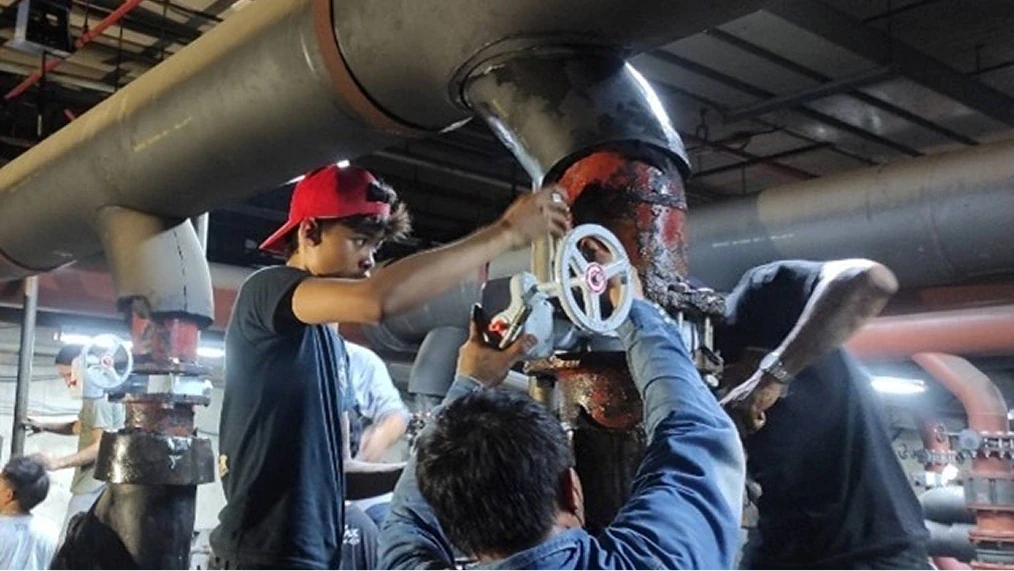
Energy Efficiency Improvement in Air Conditioning Systems (Energy-Saving Cooling Tower)
BCH has implemented an energy efficiency improvement project for its air conditioning systems by replacing the existing cooling tower fan with the TRT Energy Fan. This innovative design enhances system performance and reduces electricity consumption. This project aims to reduce the hospital’s energy consumption while enhancing service quality and improving infrastructure reliability.
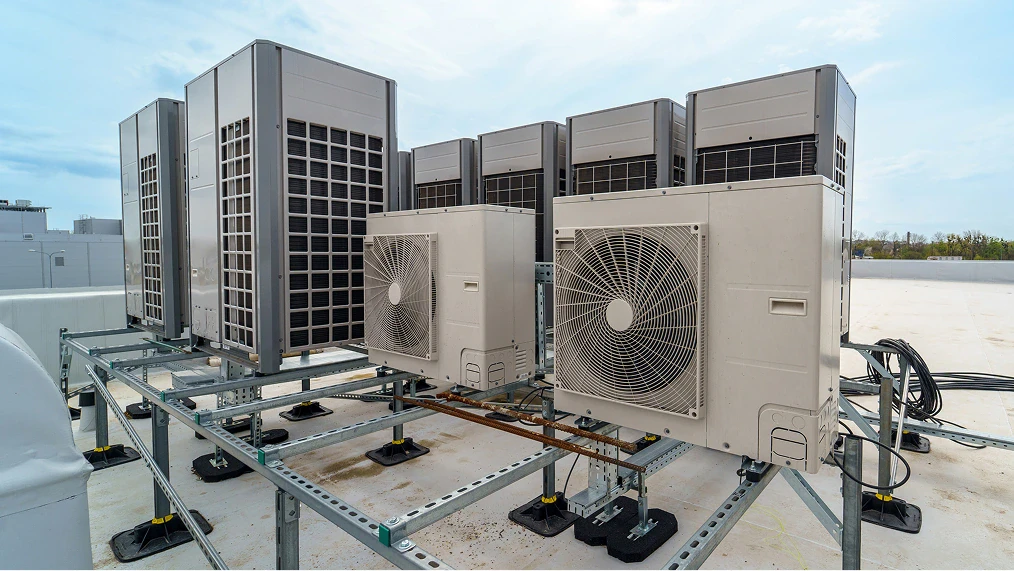
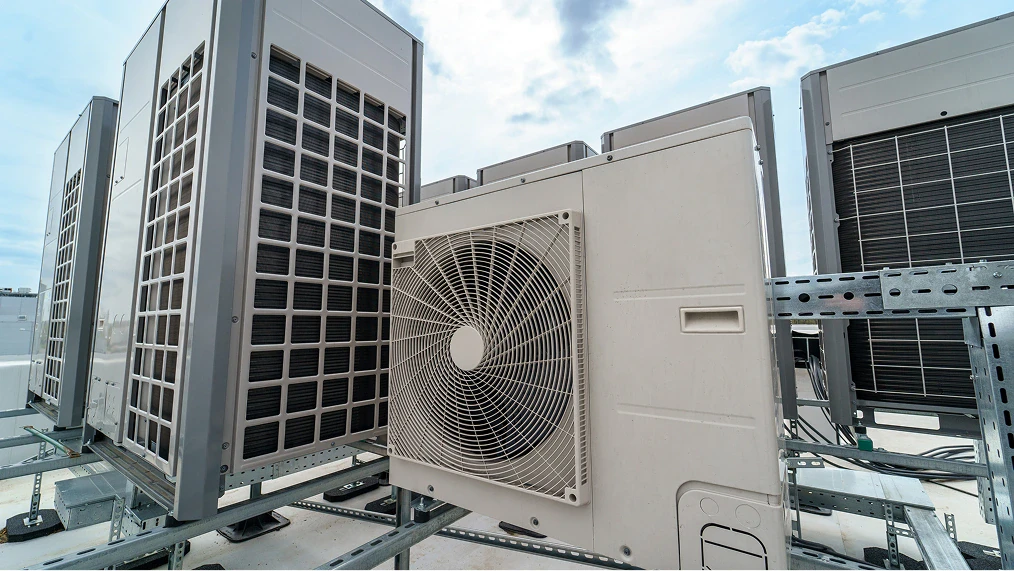
As a result, the hospital achieved a 31.03% reduction in electricity consumption, equivalent to an energy saving of 22,680 kWh per year, and reduced electricity costs by approximately 80,000–100,000 Baht annually. The upgraded system also enhances the stability and operational lifespan of the cooling tower.

Installation of High-Efficiency Chillers for Air Conditioning Systems
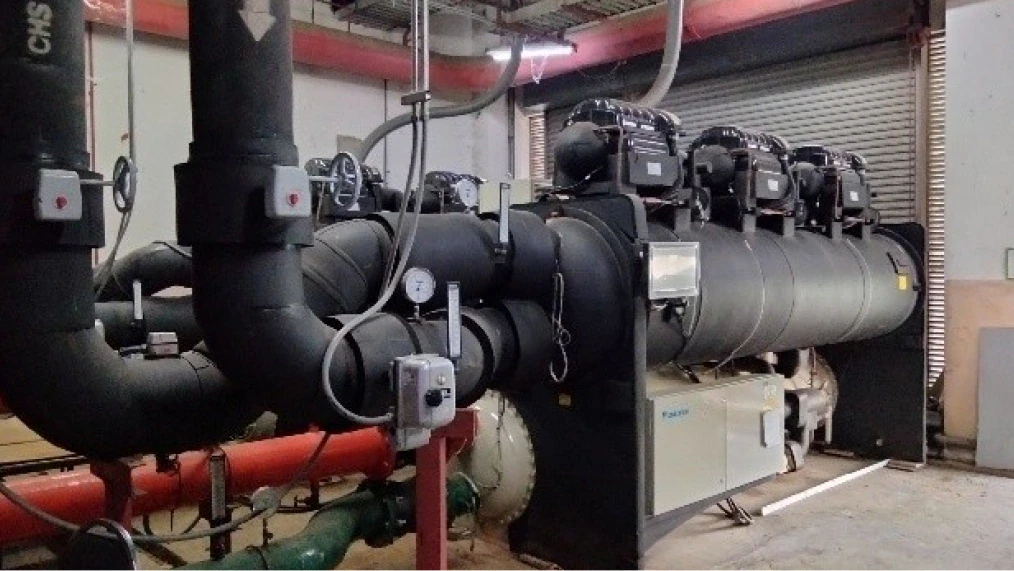
BCH has upgraded its air conditioning systems by replacing conventional chillers with high-efficiency chillers that consume significantly less electricity. This improvement enhances cooling performance, reduces environmental impact, and promotes long-term operational sustainability. The initiative also contributes to lower energy costs while ensuring greater comfort and satisfaction for building occupants.

LED Lighting Replacement Project
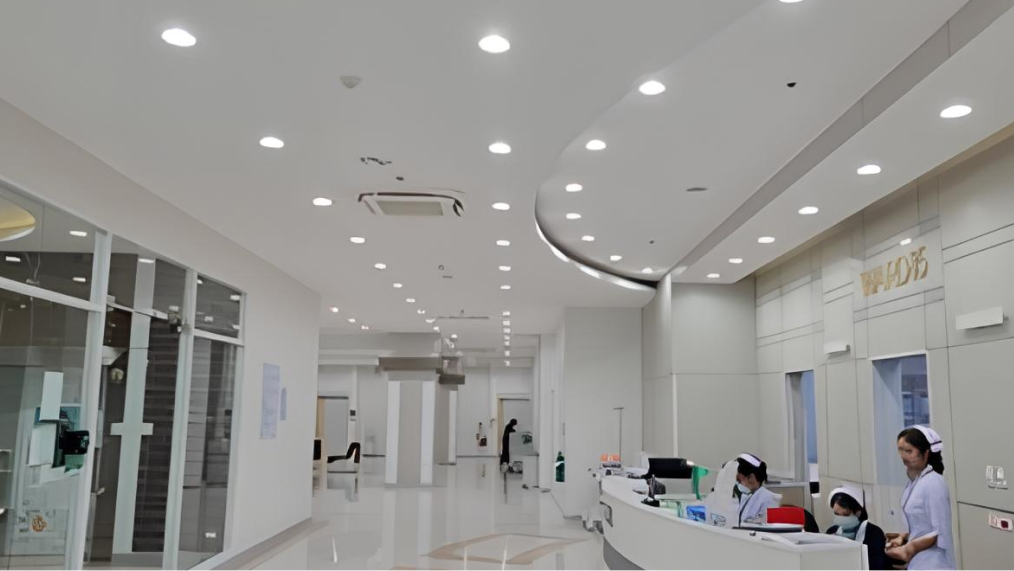
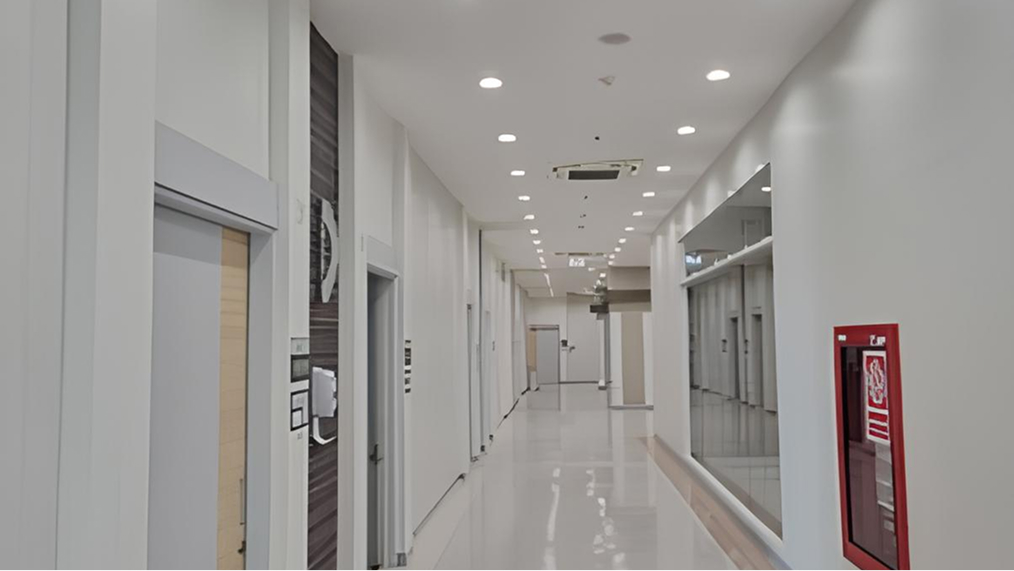
BCH has implemented a project to replace conventional lighting with energy-efficient LED bulbs across its facilities. The transition to LED lighting helps reduce electricity consumption and lower carbon dioxide emissions continuously. In addition, LED lights offer longer lifespan, better illumination quality, and contribute to a healthier and more comfortable working environment.

Window Film Installation Project
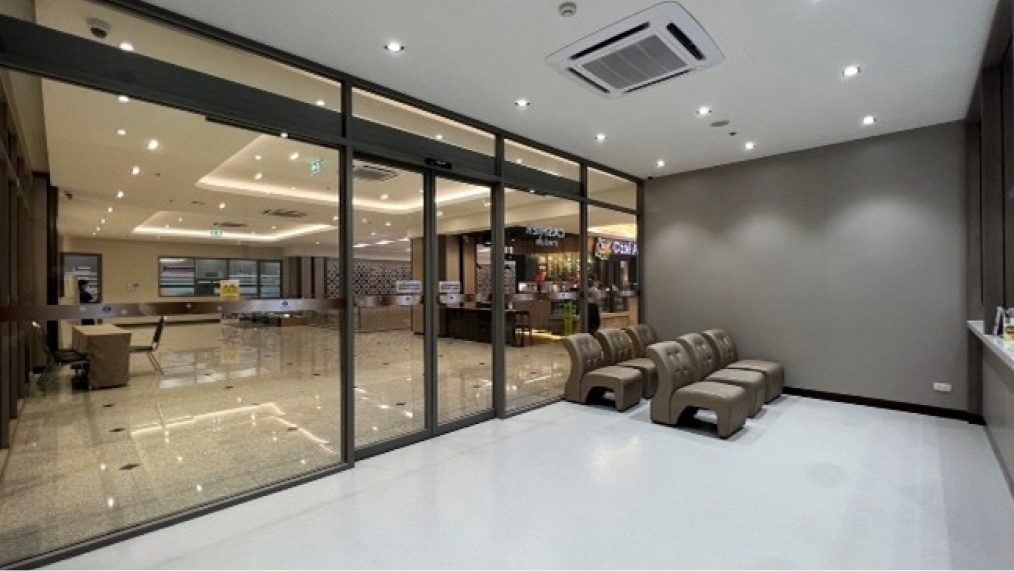
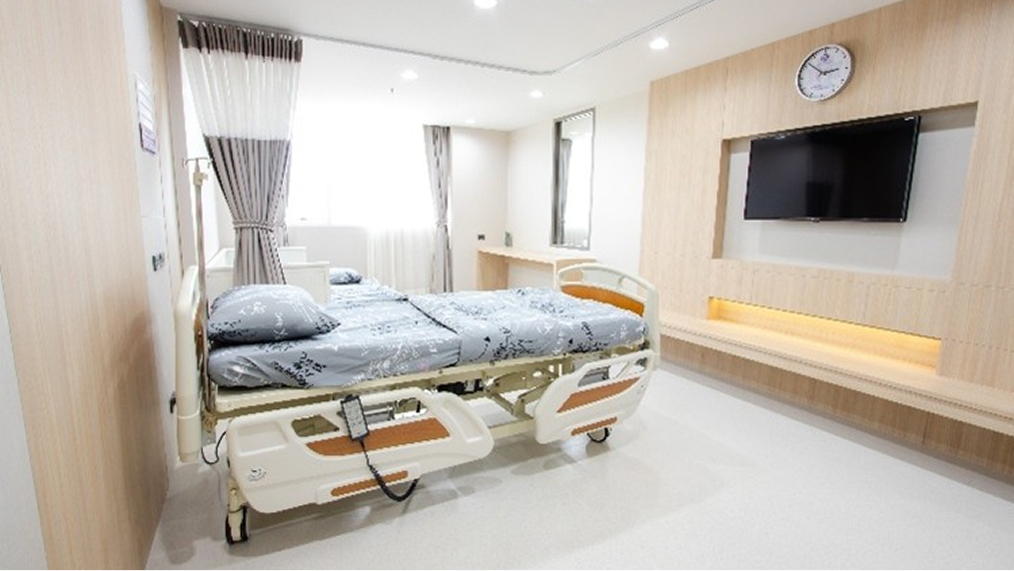
BCH has installed solar control window films on building glass surfaces to reduce heat transfer from sunlight entering the buildings. This measure helps maintain optimal indoor temperatures, decrease electricity consumption in air-conditioning systems, and enhance solar reflection efficiency, contributing to improved overall energy performance.
Training and Employee Engagement
BCH places great importance on building knowledge, awareness, and participation among employees at all levels through training programs, awareness campaigns, and various initiatives. These activities focus on promoting efficient energy use, reducing environmental impacts, and supporting sustainable development. The aim is to encourage employees to actively contribute to achieving the organization’s environmental goals and drive collective action toward sustainability.

New Employee Orientation
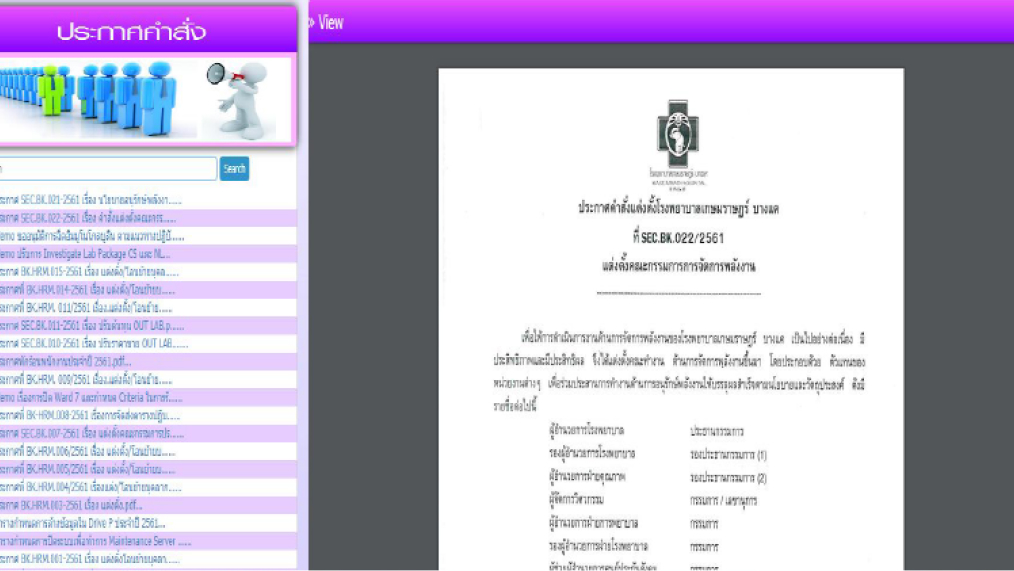
BCH conducts orientation programs for all new employees to foster understanding of the company’s environmental and safety policies. The program is complemented by internal communications and workplace campaigns aimed at promoting energy-efficient practices and encouraging employees to adhere to the organization’s operational standards while cultivating environmental consciousness in their daily work.


Environmental and Energy Training
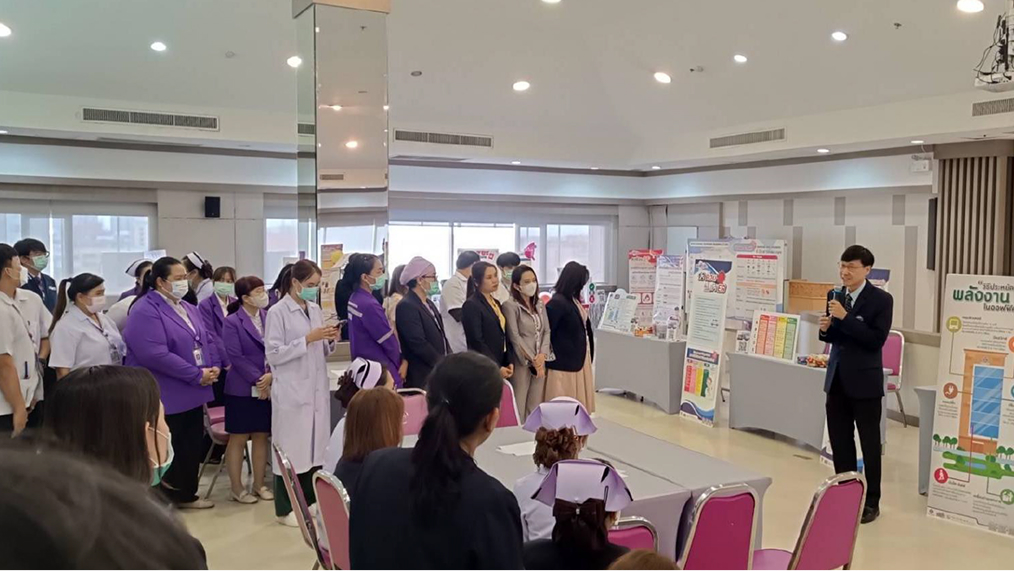
BCH organizes training sessions and awareness campaigns to promote energy conservation, environmental protection, and employee participation in Climate Action.

5S Activities and Big Cleaning Day
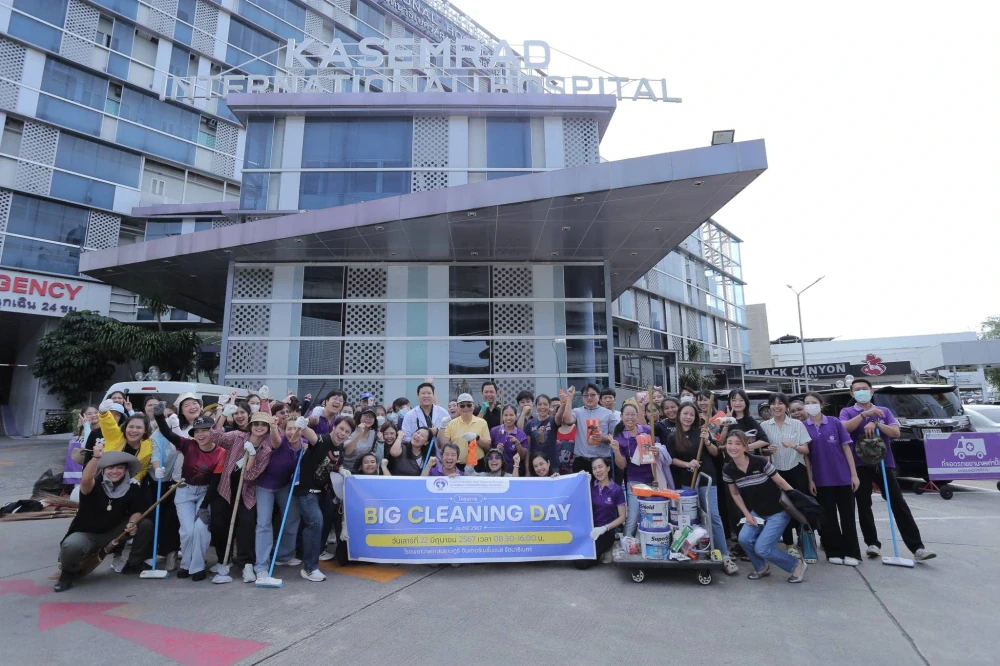
BCH continuously promotes employee participation through 5S activities and Big Cleaning Day events. These initiatives encourage staff to maintain cleanliness and organization in both indoor and outdoor areas, including air conditioner cleaning, which helps reduce machine workload, improve system efficiency, and lower energy consumption. The activities also help enhance a clean, safe, and pleasant environment for both employees and service recipients.



Supplier and Environmental Management
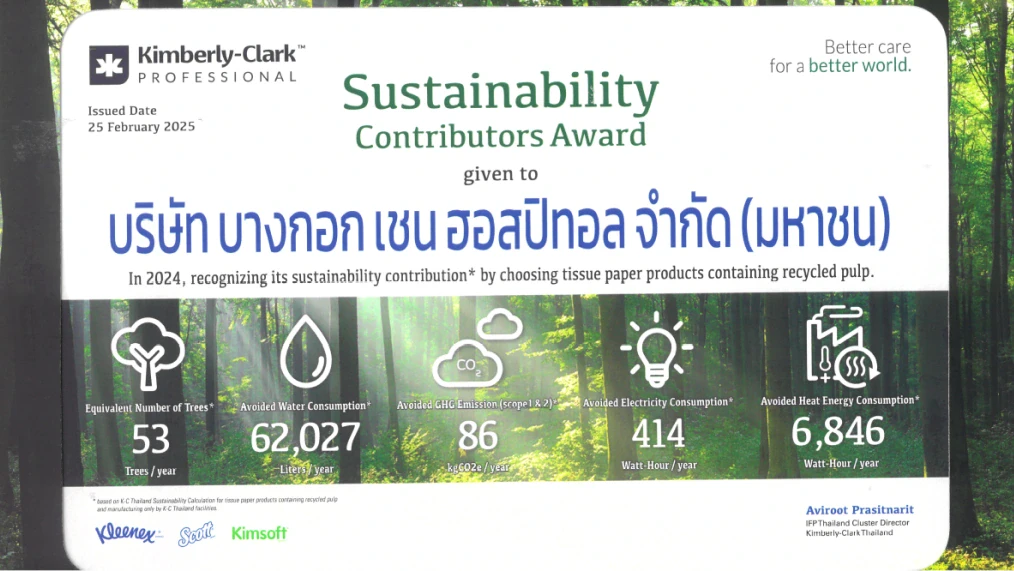
BCH promotes the use of environmentally friendly materials and products by selecting Green Choice–certified construction materials for hospital renovation projects. This initiative reflects the company’s commitment to sustainability across all dimensions, ensuring that environmental responsibility extends throughout its supply chain and operational processes.

Projects contributing to greenhouse gas (GHG) emission reduction

Low Emission Support Scheme (LESS) Project
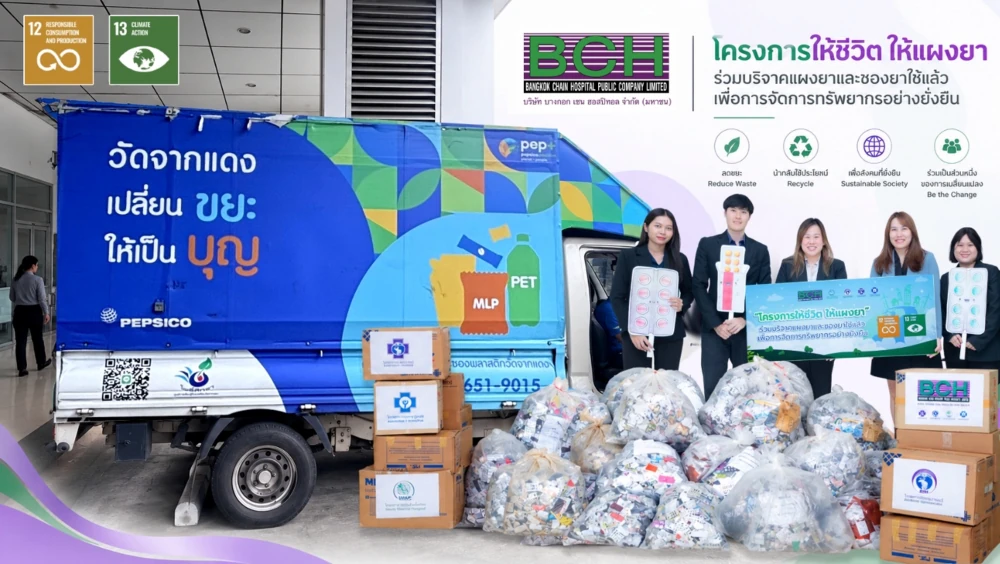
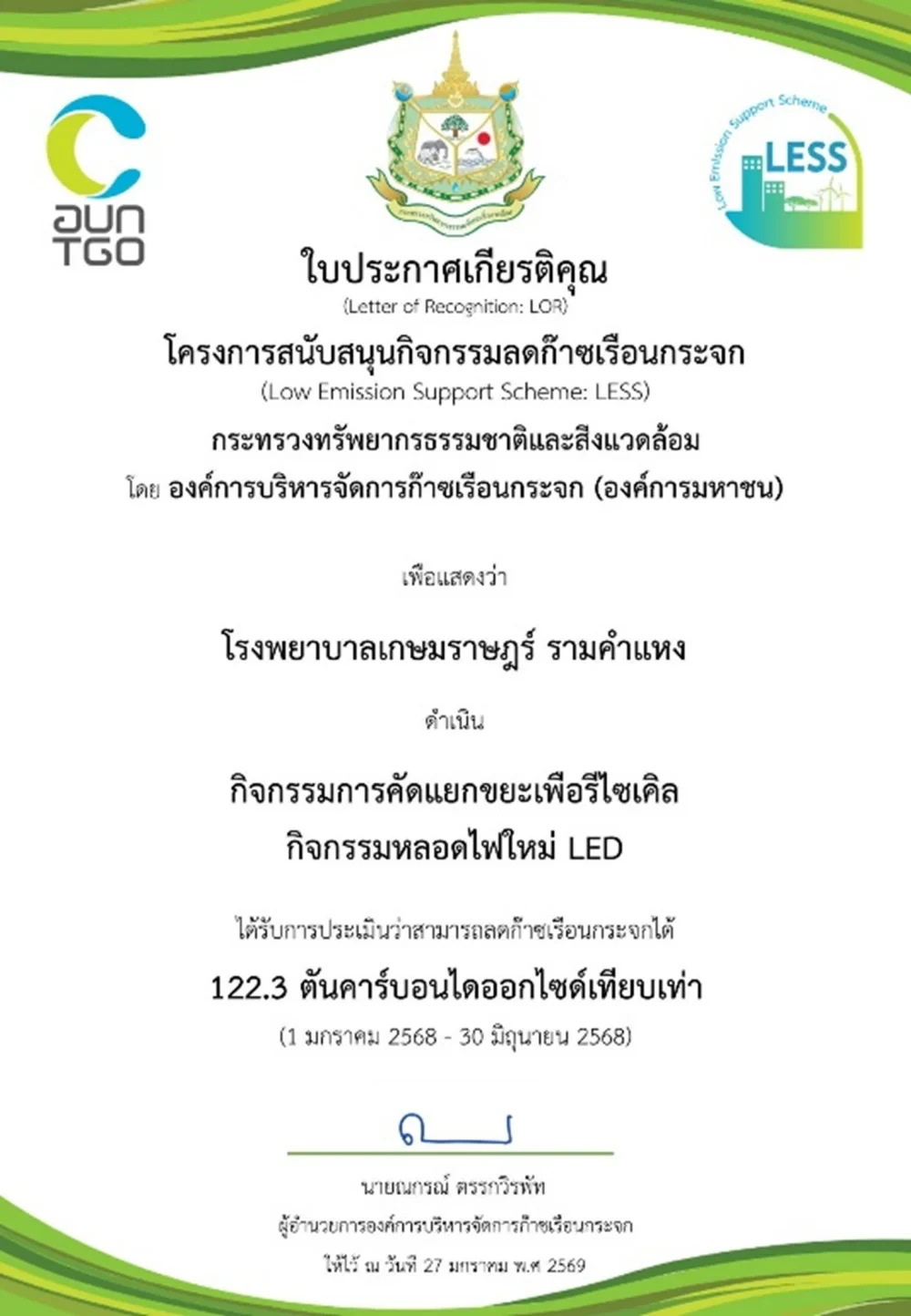
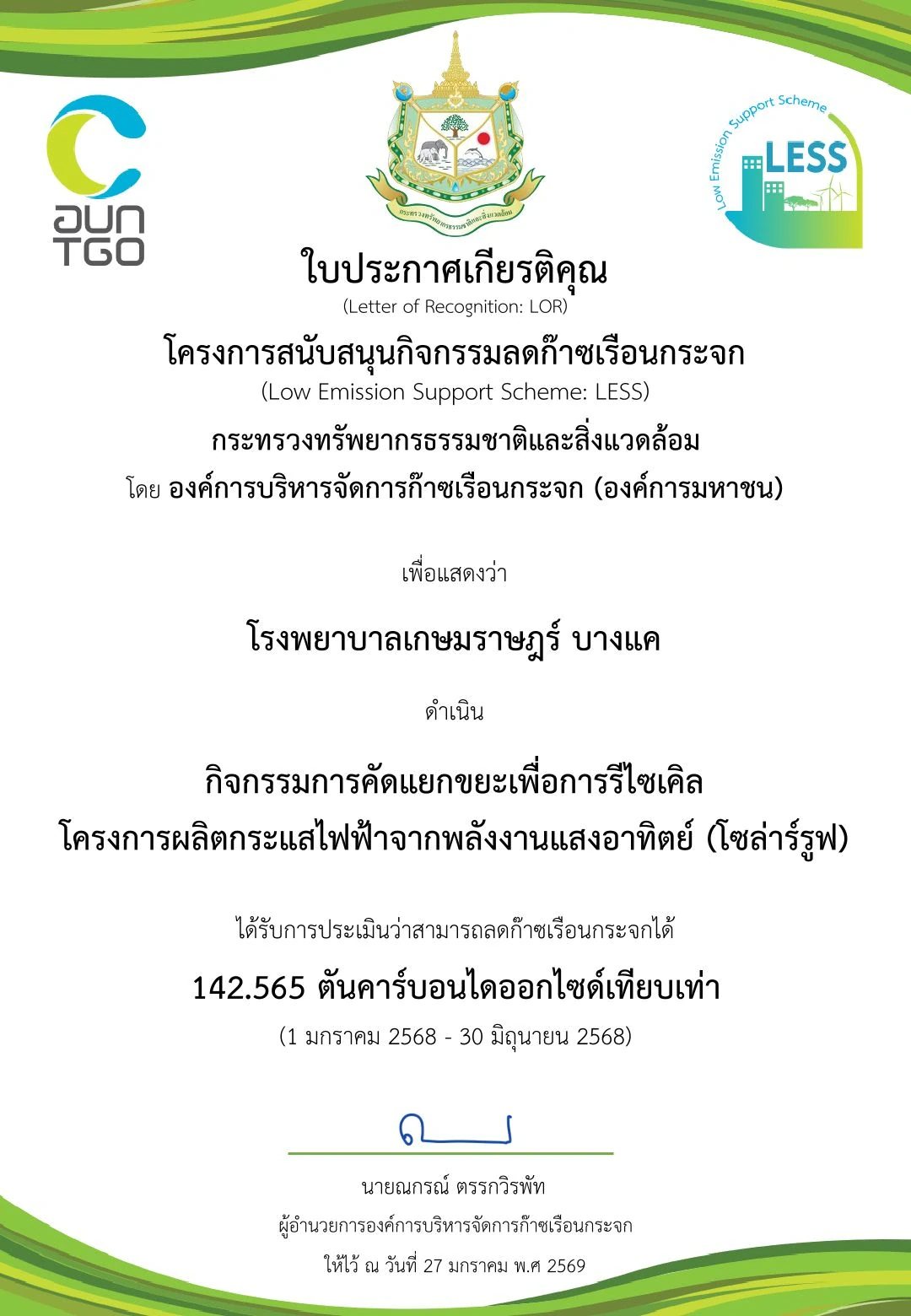
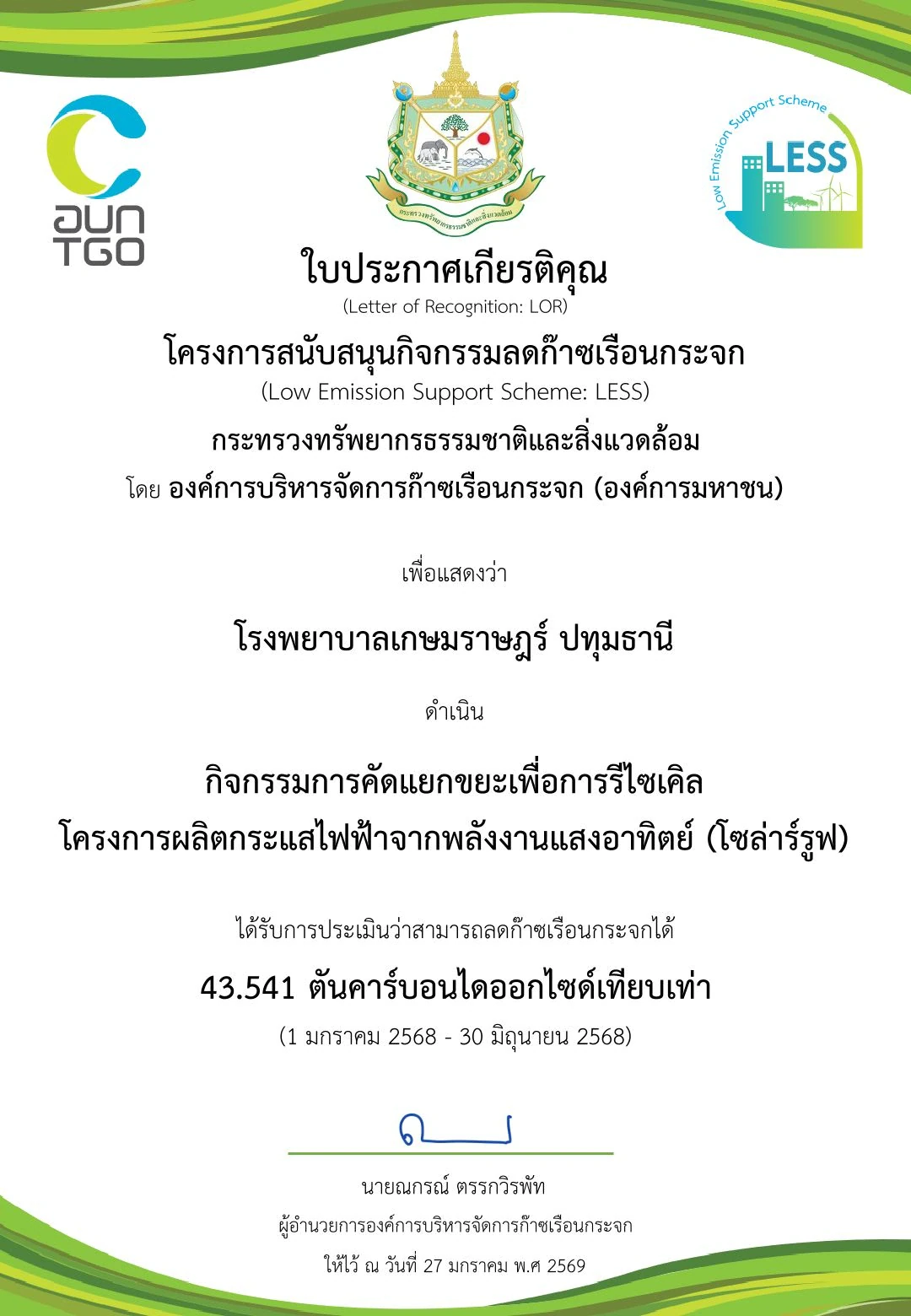
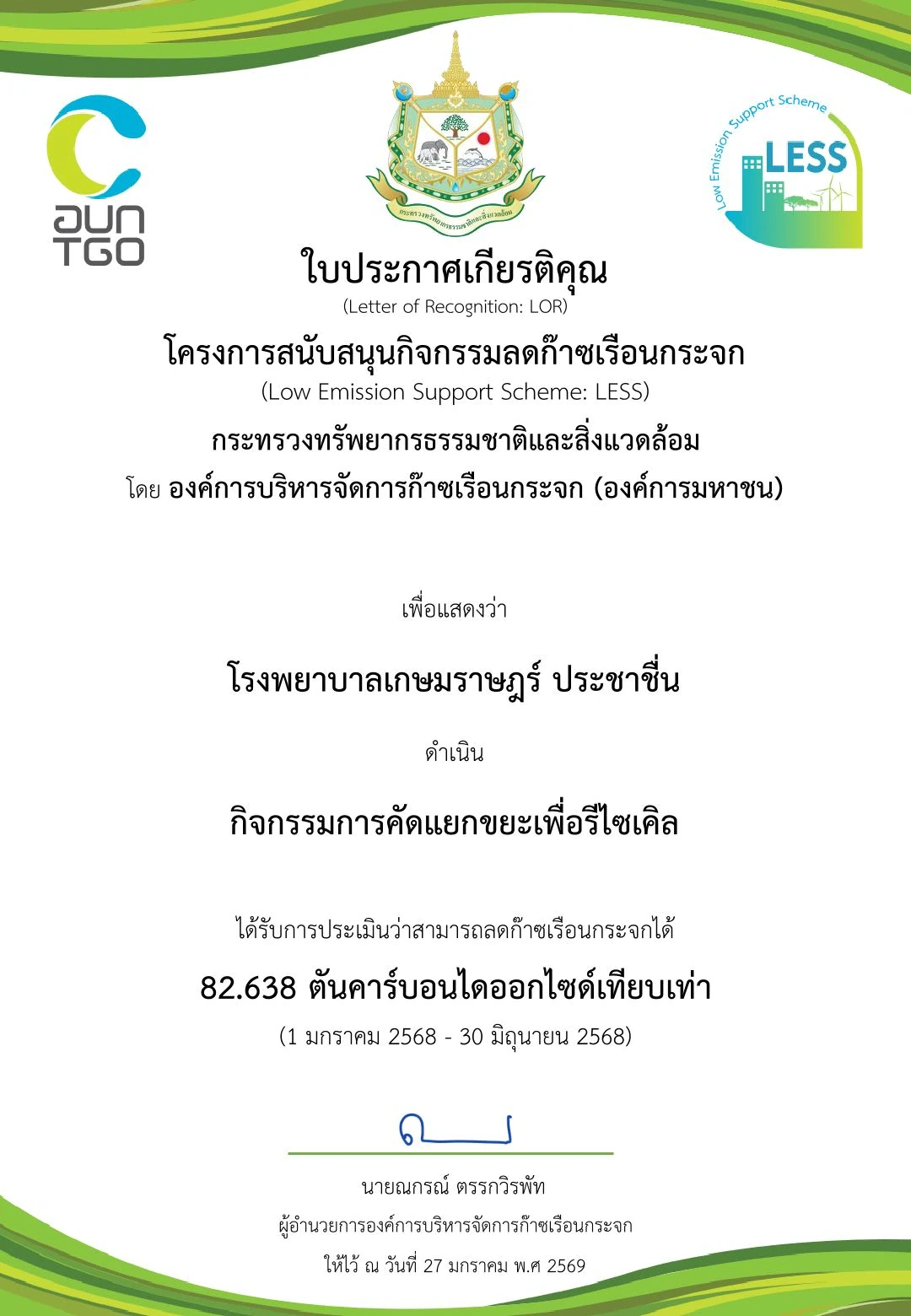
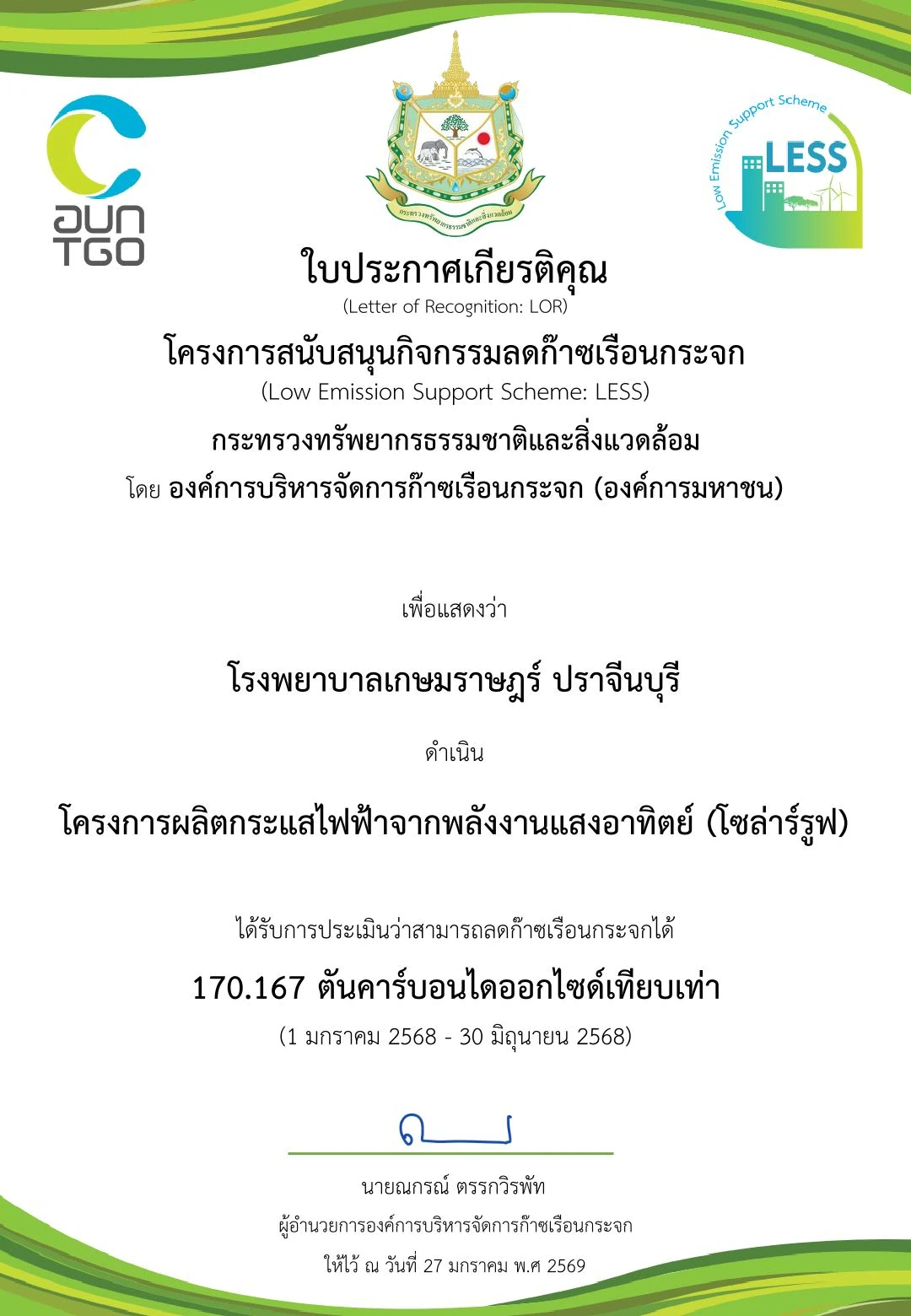
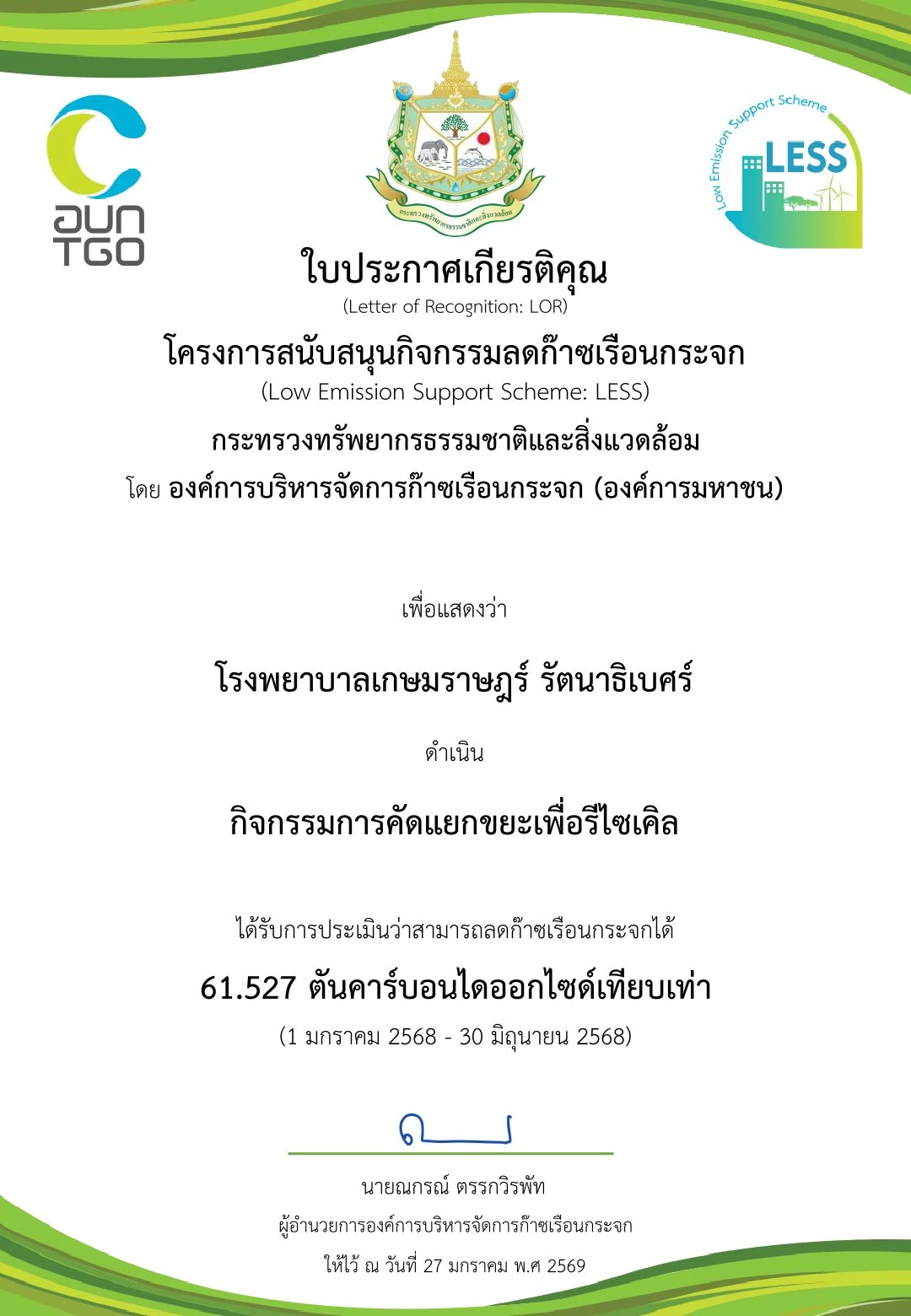
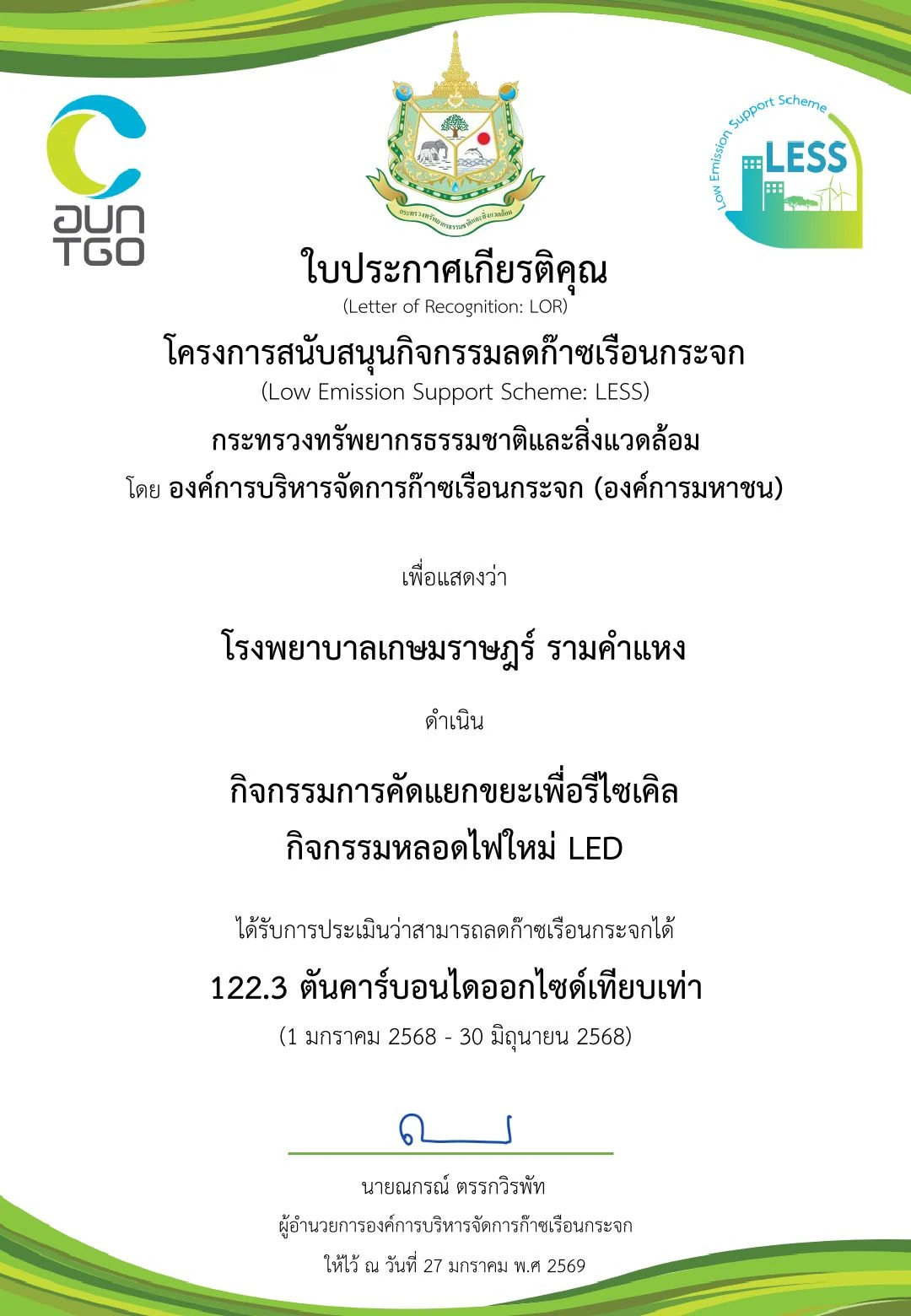
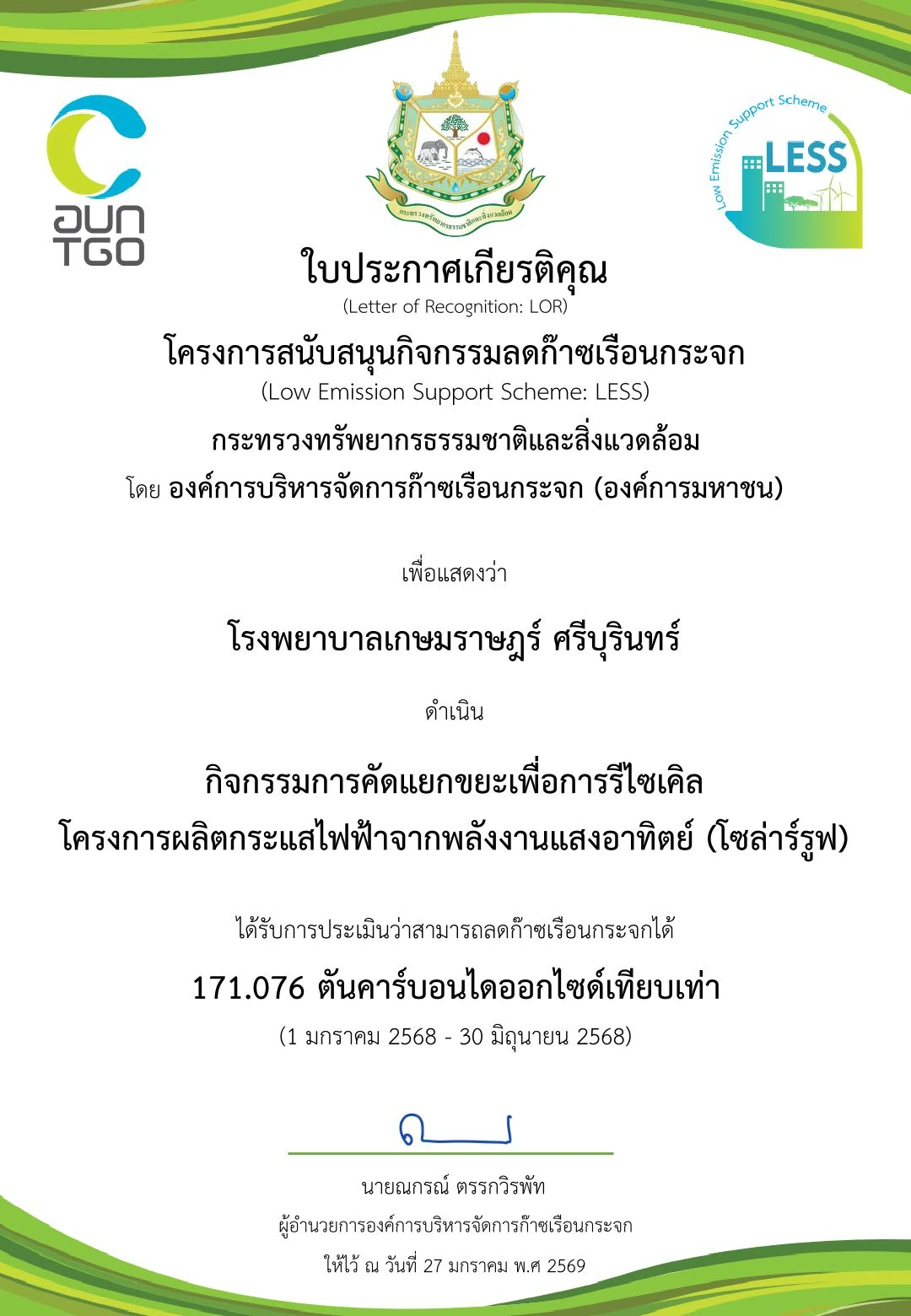
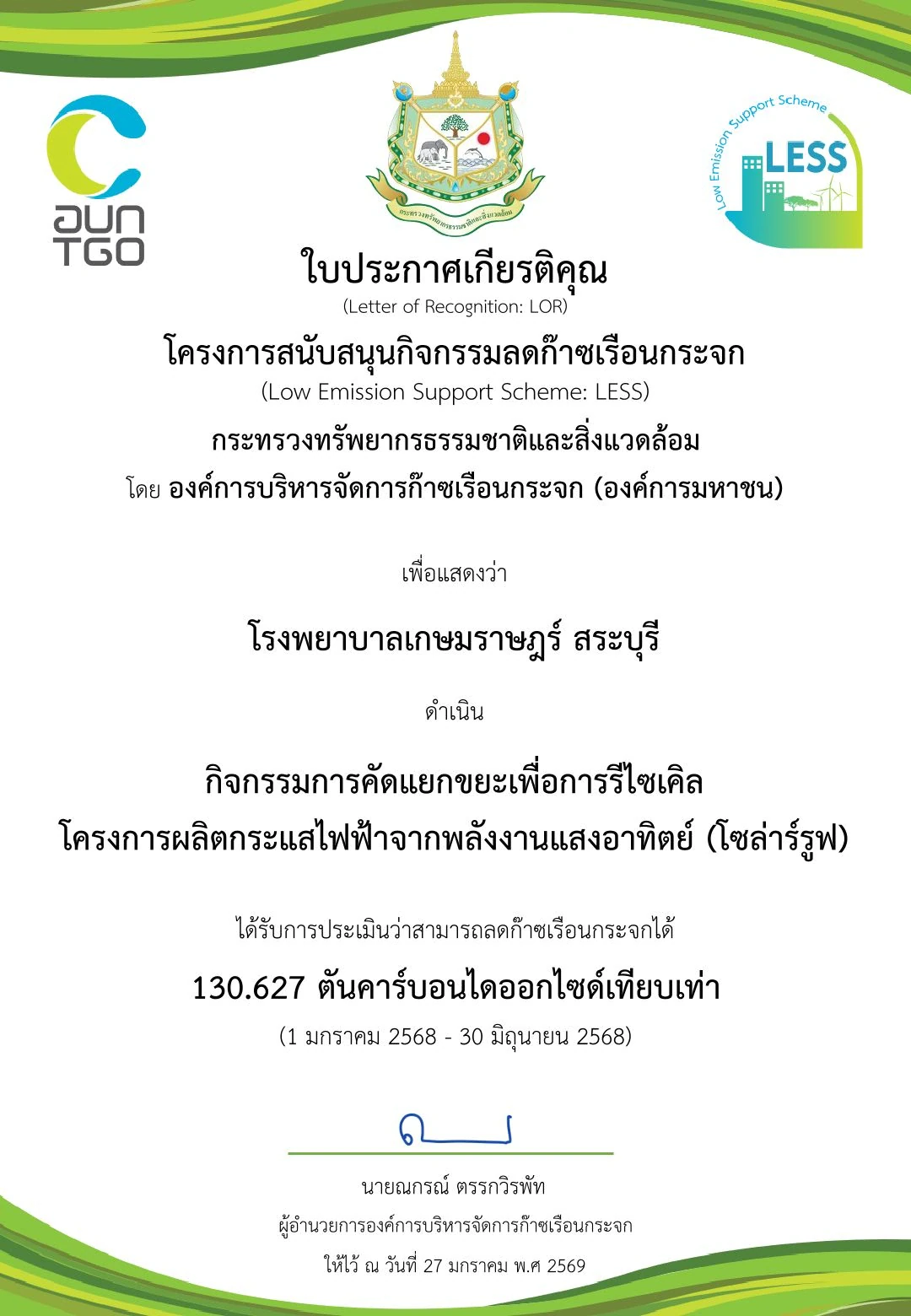
In 2025, BCH participated in the Low Emission Support Scheme (LESS) in collaboration with the Thailand Greenhouse Gas Management Organization (TGO) to enhance its climate-related operations in a systematic and tangible manner.


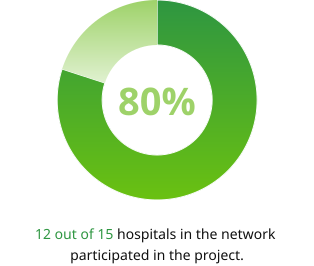
Greenhouse Gas Emissions Reduced from the Low Emission Support Scheme (LESS) 1,272.76 tCO2e
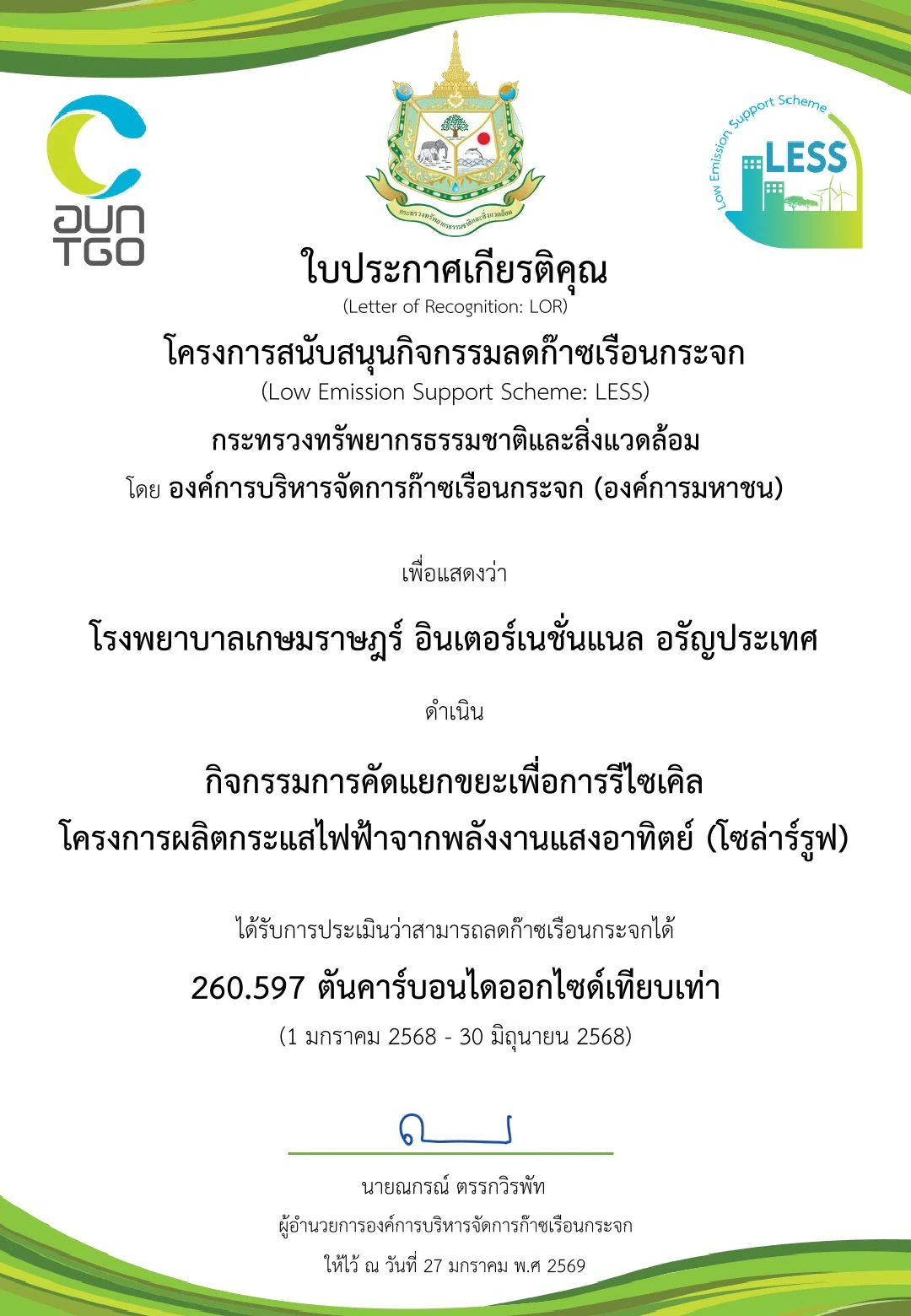
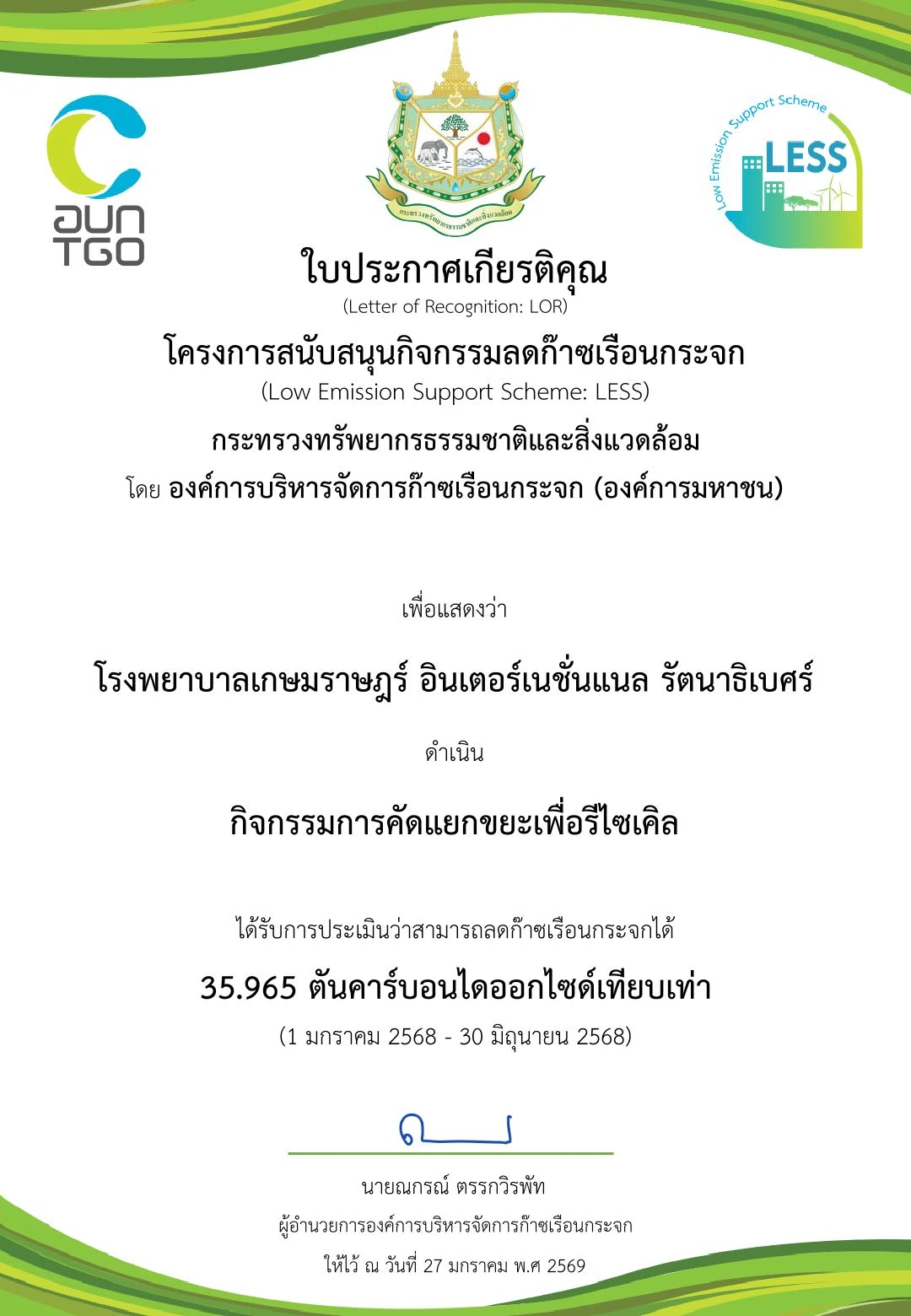
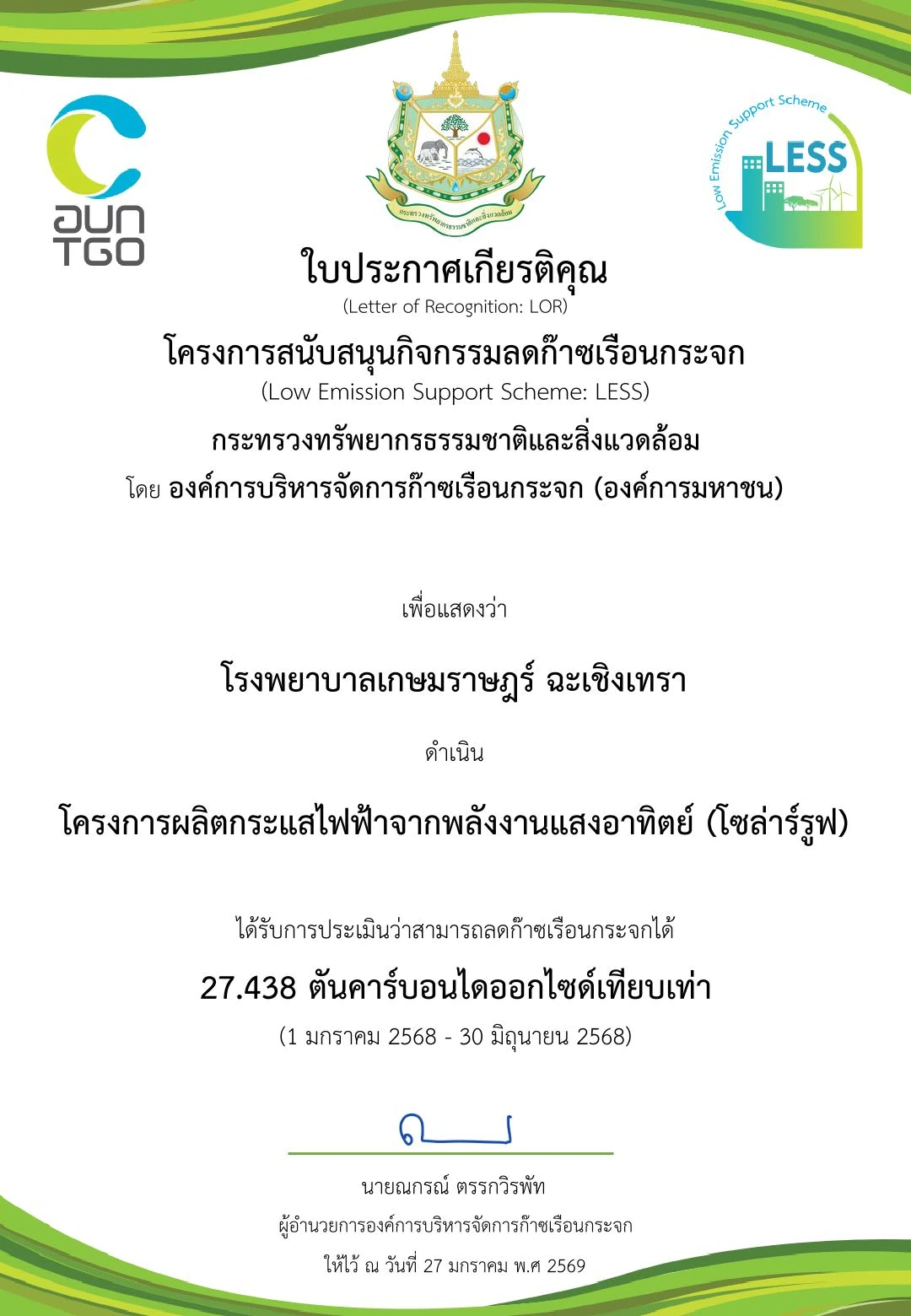
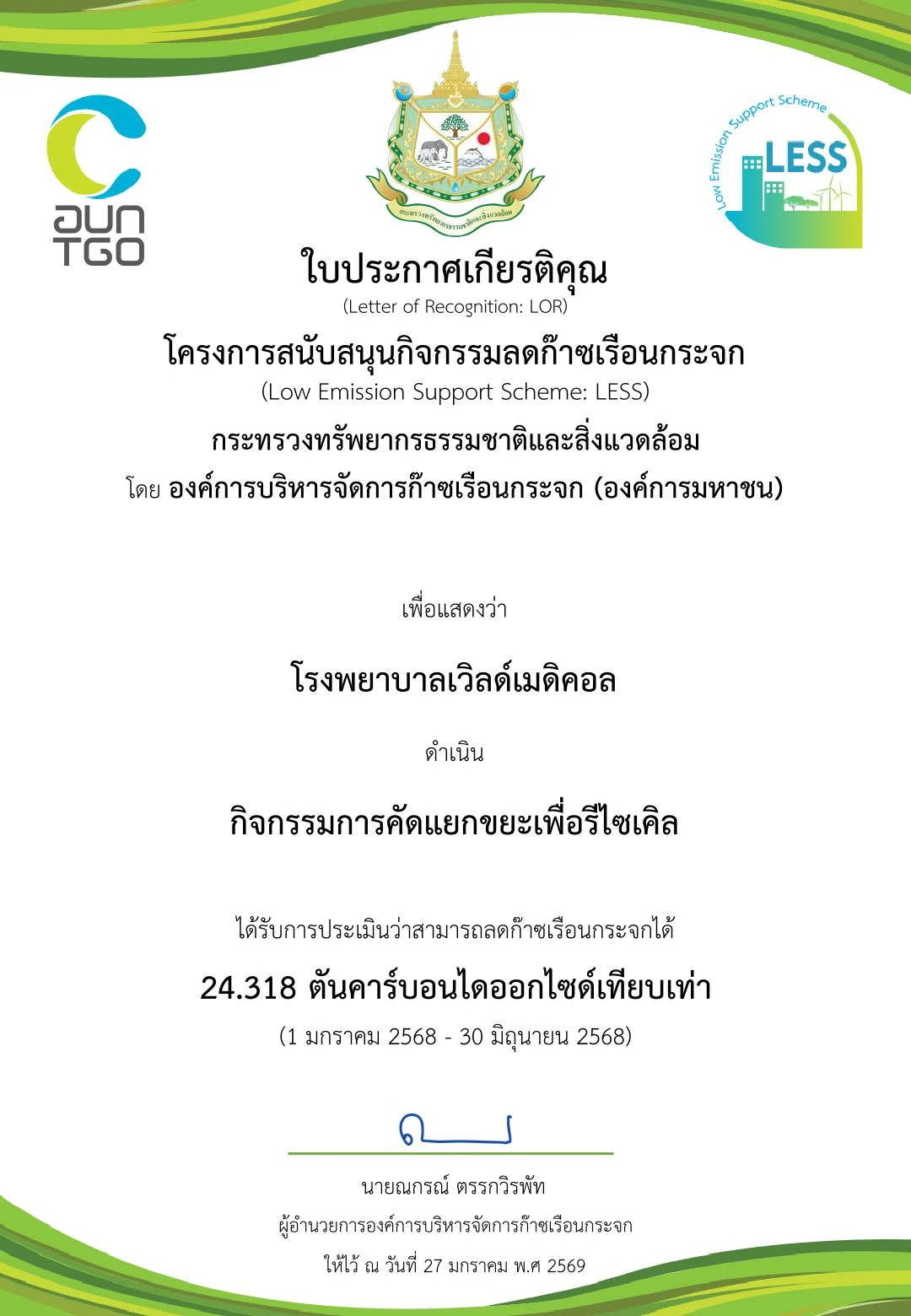
| Hospital | Greenhouse gas emissions reduced (tCO₂e) |
|---|---|
| Kasemrad International Hospital Aranyaprathet | 260.597 |
| Kasemrad Hospital Prachinburi | 170.167 |
| Kasemrad Hospital Saraburi | 130.627 |
| Kasemrad Hospital Sriburin | 171.076 |
| Kasemrad Hospital Bangkae | 142.565 |
| Kasemrad International Hospital Rattanatibeth | 35.965 |
| Kasemrad Hospital Pathumthani | 43.541 |
| Kasemrad Hospital Chachoengsao | 27.438 |
| Kasemrad Hospital Prachachuen | 82.6 |
| Kasemrad Hospital Ramkhamhaeng | 122.3 |
| Kasemrad Hospital Rattanatibeth | 61.527 |
| World Medical Hospital | 24.318 |