Waste Management

Effective waste management remains a critical environmental challenge, especially in the healthcare industry.
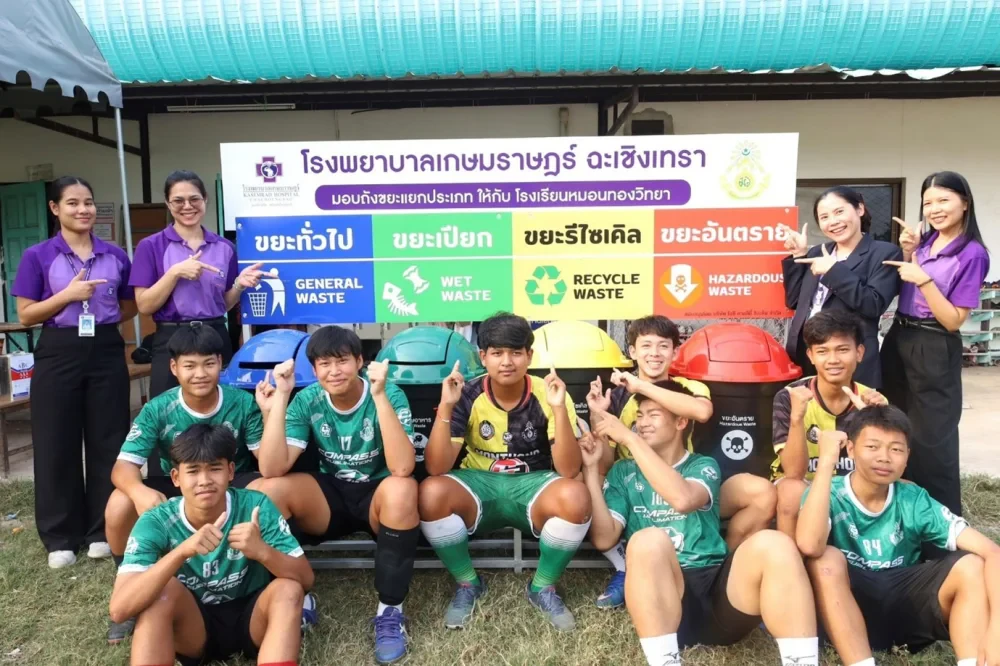
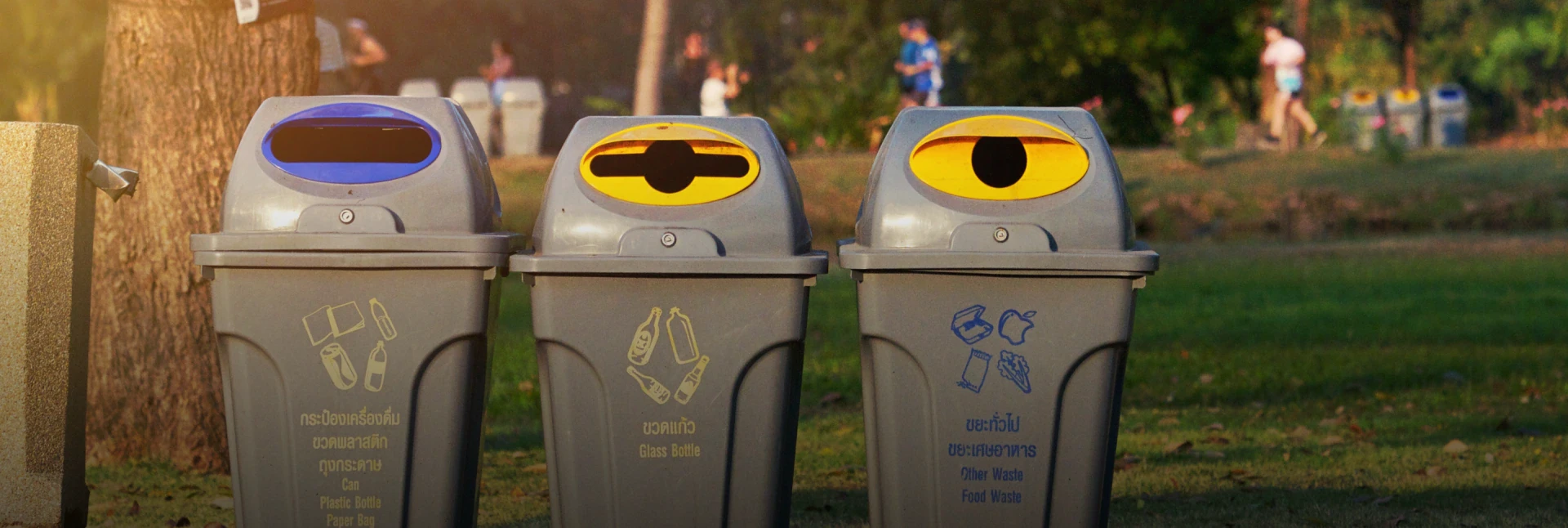
BCH and its network hospitals recognize the potential impacts that may arise from various types of waste, such as general waste, infectious waste, recyclable waste, and hazardous waste. Therefore, BCH has established systematic policies and guidelines for waste management, covering the entire process from segregation, collection, transportation, treatment, to final disposal, to ensure that all types of waste are managed properly in accordance with environmental standards and legal requirements.
Goals

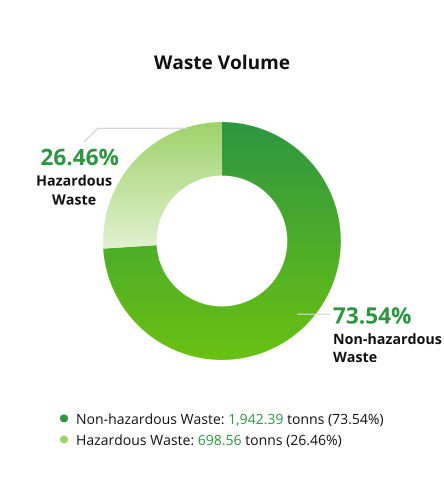
Key Operational Highlights 2024

kilograms

kilograms per million baht of revenue.
Management and Operation Approach
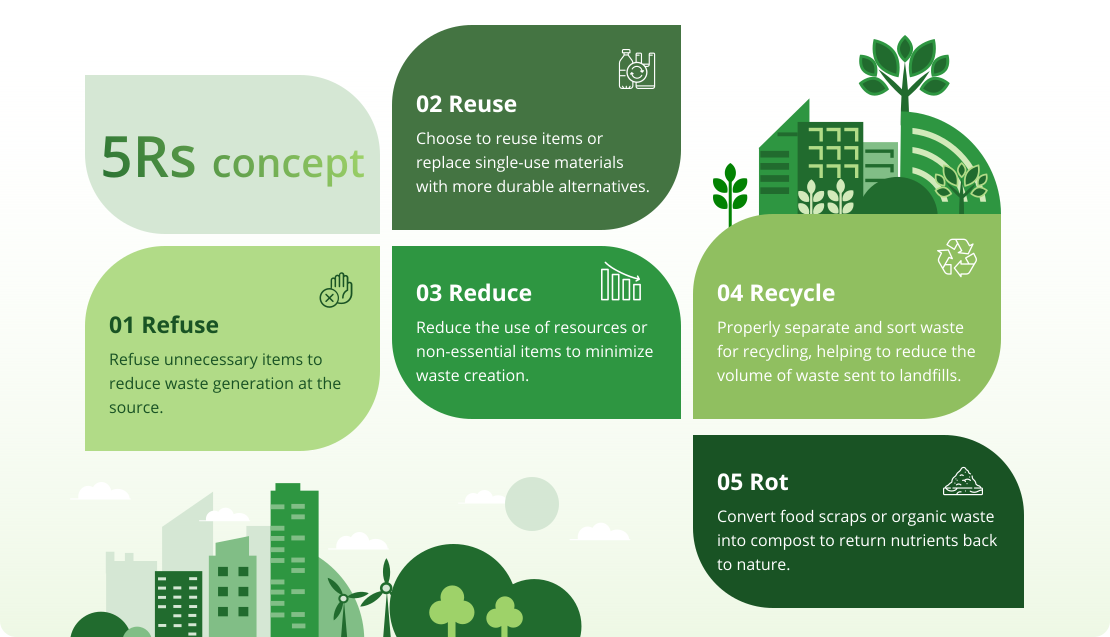
BCH places great importance on sustainable waste management, focusing on efficient resource utilization and reducing environmental impacts. To achieve this, BCH has adopted the 5Rs concept as a framework for its waste management operations.
BCH places great importance on the proper and environmentally compliant disposal of waste to minimize impacts on surrounding communities and ecosystems.
To ensure a systematic approach, the company has established the Environment of Care Committee, responsible for defining policies, planning, and supervising the management of general waste, recyclable waste, infectious waste, and hazardous waste in accordance with legal and environmental standards. The committee works in close collaboration with the Prevention and Control Infection Committee, which oversees waste segregation, collection, and training programs for employees and contractors. These efforts aim to ensure that all types of waste are managed correctly, safely, and responsibly.