
Water and Wastewater Management

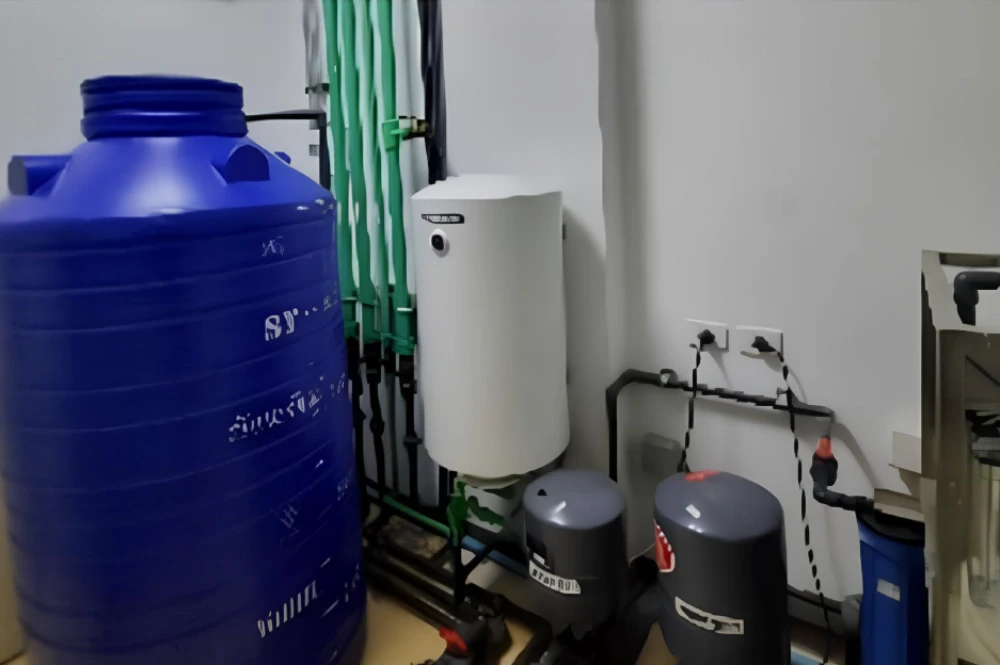
BCH recognizes the importance of water as a vital resource essential to hospital operations and has established a framework for sustainable water management.
This includes efficient water use, water reuse, and wastewater treatment before discharge to the environment. Amid increasing climate change impacts, such as droughts, floods, and limited access to water resources, BCH prioritizes effective water management to minimize impacts on surrounding communities and the environment while preventing water stress. The company has implemented various system improvements, including upgrades to cooling towers and air conditioning systems, to reduce both water and energy consumption in parallel.

Goals


Key Operational Highlights 2024

m3

m3 / Revenue (Billion Baht)
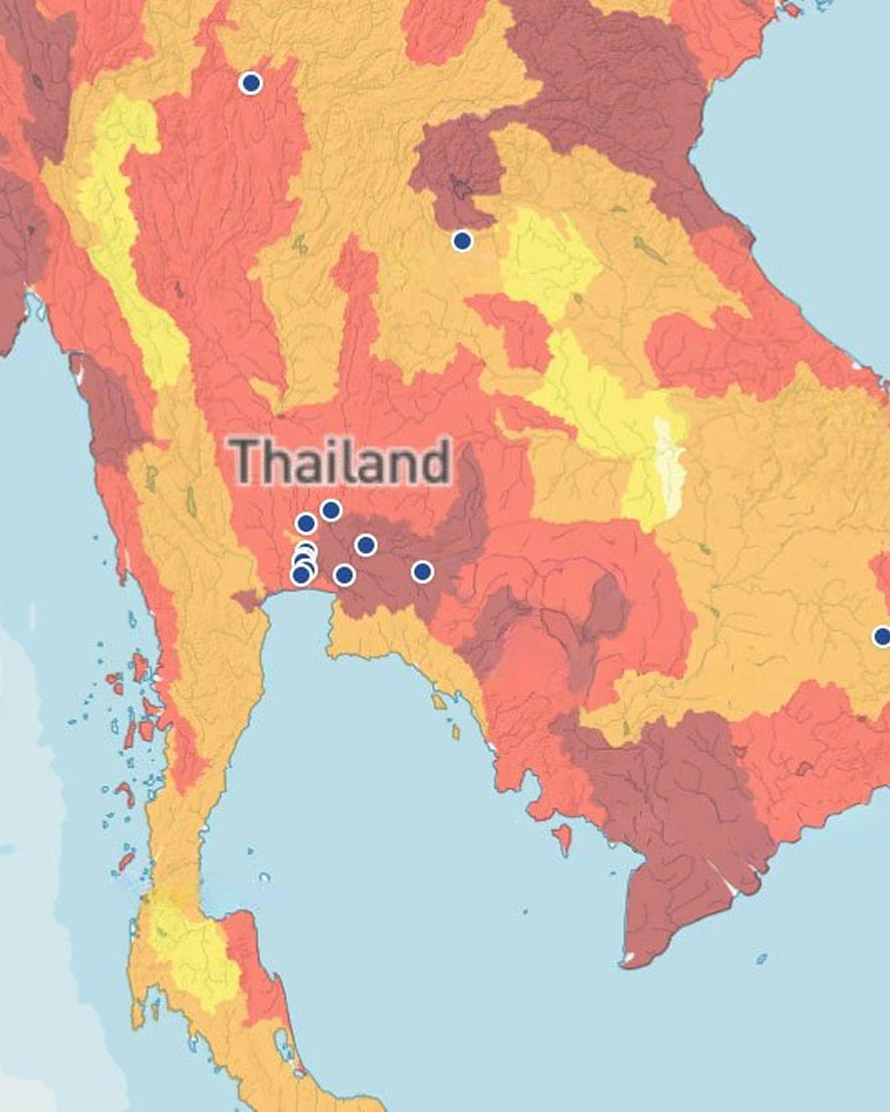
In assessing water-related risks, BCH utilizes the Aqueduct Water Risk Atlas, developed by the World Resources Institute (WRI) a globally recognized tool to analyze risks across its 15 hospitals and clinics. The assessment found that Kasemrad Hospital Chachoengsao, Kasemrad Hospital Prachinburi, and Kasemrad Hospital Ramkhamhaeng are located in areas classified as having “Extremely High” water risk. These findings highlight the need for immediate and proactive management to ensure the sustainability of both the hospitals and the surrounding communities.
Water risk levels are categorized based on the likelihood of water scarcity into three levels: Low, Medium, and High. The information obtained serves as a foundation for developing individual water management plans for each hospital to promote efficient water use and reduce unnecessary consumption.
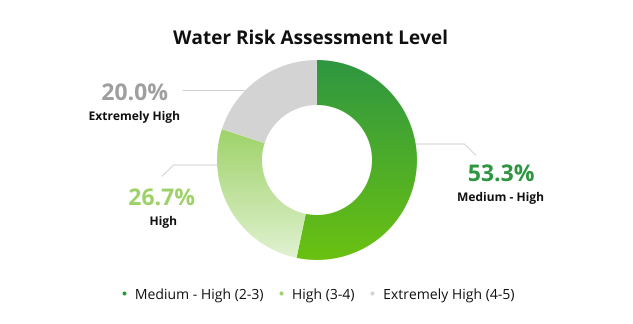
In 2024, BCH conducted a review of the water risk assessment for all hospitals and clinics within its network. The results indicated that 53.3% are located in Medium–High risk areas, 26.7% in High risk areas, and 20.0% in Extremely High risk areas. These findings reflect the significant challenges in water resource management, leading each hospital to implement and follow water management plans, along with continuous monitoring and reduction of water consumption to mitigate risks and support sustainable water management practices.
Management and Operation Approach

Water Risk Assessment and Evaluation

Water Recycling and Reuse Management

Application of Technology and Innovation for Water Management

Water Quality Control and Wastewater Management
BCH places great importance on efficient wastewater management by engaging external experts to oversee the hospital’s wastewater treatment systems and continuously monitor water quality.
Water samples are collected monthly to analyze key quality indicators, including pH, Total Dissolved Solids (TDS), Total Hardness, Total Coliform Bacteria, and Total Fecal Coliform Bacteria.
In addition, water samples from various points within the hospitals are collected annually to test for Total Coliform, E. coli, and Standard Plate Count (microbial count). The results fully comply with the Department of Health’s Water Supply Quality Standards (2020).
For wastewater management, BCH treats wastewater through a standardized treatment system and performs regular quality inspections. The 2024 annual assessment confirmed that the treated wastewater quality meets the standards set by the Ministry of Natural Resources and Environment (Notification B.E. 2548) before being discharged into the public system.