
Technology and Innovation

BCH recognizes the importance of integrating advanced medical technologies with the expertise
to enhance treatment efficiency and outcomes. This approach aligns with the Company’s objective of improving patients’ quality of life, enabling them to return to normal daily activities. Furthermore, it strengthens BCH’s distinction in medical services and enhances the overall patient experience, setting the Company apart from other hospitals.


Goals

Key Operational Highlights 2025
The Company focuses on advancing innovation and technology as a key mechanism for enhancing medical services.
By integrating cutting-edge medical technologies with the expertise of specialized physicians, BCH aims to improve treatment efficiency and enhance patients’ quality of life, enabling them to return to normal daily activities.
In addition, these efforts help differentiate BCH through superior patient experiences and service excellence compared to general hospitals. To achieve this goal, the Company has strengthened its management capabilities, established specialized medical centers, and expanded service offerings across all business groups within the network. Key initiatives and projects include:
Kasemrad App

Kasemrad App
The Kasemrad Hospital application was developed to enhance users’ health experience by offering comprehensive healthcare and medical services. It integrates modern technology and innovation to enable users to access hospital services conveniently, quickly, and securely.
- Convenient appointment scheduling and medical services
- Tracking medication delivery and treatment status
- Managing health and treatment information
- Exclusive privileges for members
- Easy and secure payment system

Kasemrad Ari Radiation Oncology Clinic
The Company has launched the Kasemrad Ari Radiation Oncology Clinic, the first specialized clinic in Nonthaburi province to offer comprehensive radiotherapy services. The clinic is specifically designed to support cancer patients and those requiring radiation treatments. It is equipped with advanced medical technologies, such as 3D treatment planning systems, high-energy Intensity-Modulated Radiation Therapy (IMRT), and Image-Guided Radiation Therapy (IGRT), to ensure precise targeting, minimize impact on surrounding tissues, and enhance treatment effectiveness.

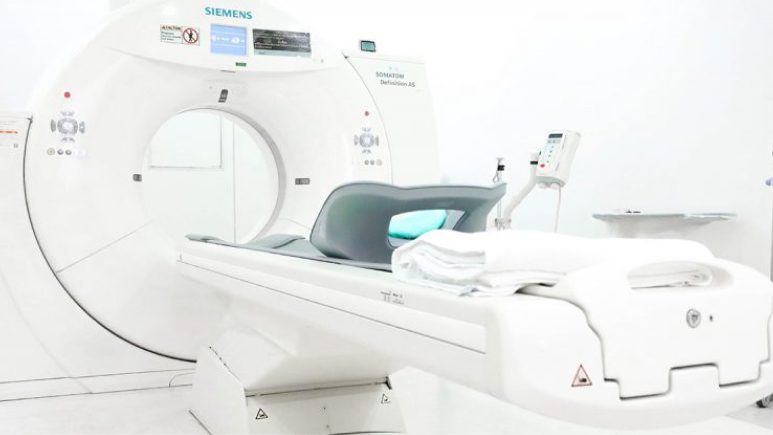
CT Simulation
3D Imaging Technology for Precision in Radiation Therapy
CT Simulation, or computed tomography simulation, is a crucial step in planning radiation therapy. It enables physicians to visualize the exact shape, size, and location of the tumor, along with surrounding organs, in three dimensions. This allows precise mapping of radiation direction and coverage, minimizing impact on healthy tissues while enhancing the accuracy and effectiveness of cancer treatment.
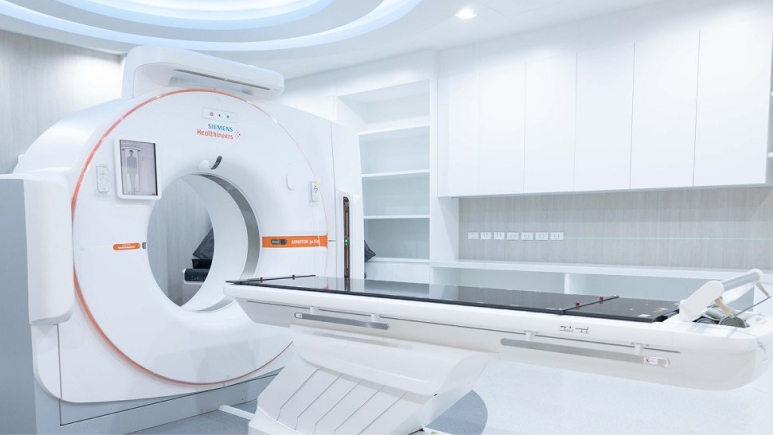
The capacity to accommodate over
3,600+
patients per year.

True Beam
Advanced Radiation Therapy – Accurate, Fast, and Patient-Friendly
True Beam is an advanced radiation therapy system that integrates real-time imaging with beam delivery. It can track tumor movement caused by breathing and dynamically adjust the beam to maintain precise targeting. This technology allows high-dose radiation delivery in shorter sessions often just a few minutes per day enhancing treatment efficiency, safety, and patient comfort.
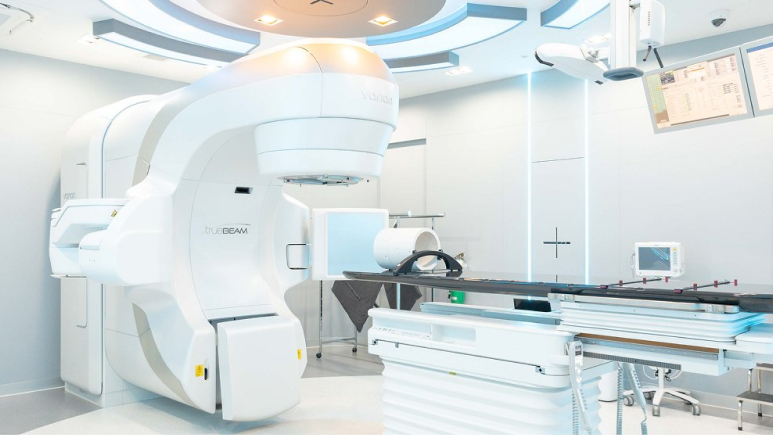
The capacity to accommodate over
21,900+
patients per year.

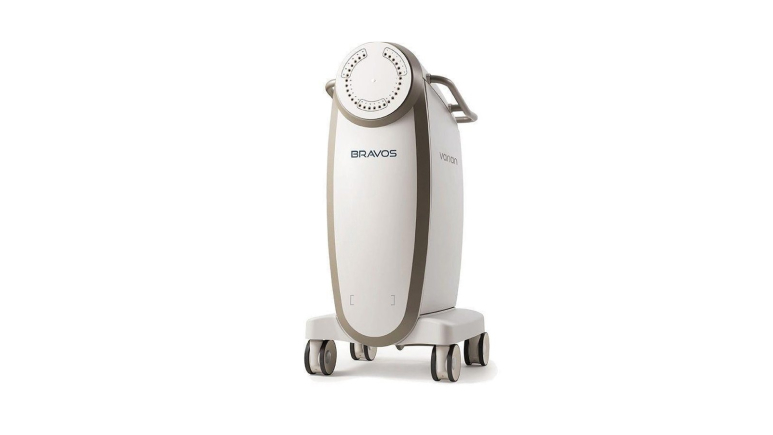
Brachytherapy
Targeted Cancer Treatment Using Internal Radiation
Brachytherapy is a form of internal radiation therapy that places a radioactive source directly inside or near the tumor. Materials like Iridium-192 are commonly used to deliver high-precision radiation to the targeted area. This method minimizes exposure to surrounding healthy tissue, reduces side effects, and significantly improves localized cancer control.
The capacity to accommodate over
1,000+
patients per year.
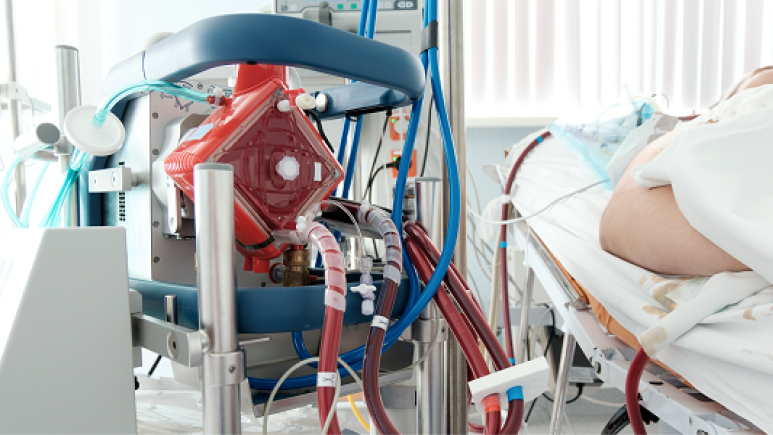
ECMO (Extracorporeal Membrane Oxygenation)

ECMO (Extracorporeal Membrane Oxygenation)
Life-saving technology using an artificial heart and lung system
BCH has implemented ECMO technology in the treatment of patients suffering from severe heart failure or respiratory failure. The system functions by circulating oxygenated blood outside the body, temporarily replacing the work of the heart and lungs. This helps reduce oxygen deprivation and increases patients’ chances of recovery. Additionally, ECMO is utilized in cardiac surgeries and the treatment of complex critical cases, significantly improving survival rates and enhancing the overall quality of care.
Oncothermia

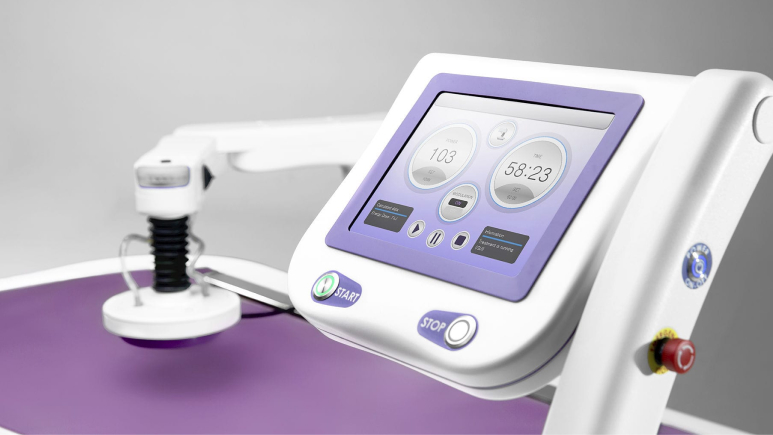
Oncothermia
A New Hope for Cancer Patients
Oncothermia is an innovative cancer treatment that uses targeted heat therapy specifically focused on cancer cells. The technique employs high-frequency electric currents to generate heat precisely in tumor areas, causing cancer cells to deteriorate and be destroyed, while leaving surrounding healthy cells unharmed. This advanced treatment helps enhance therapeutic effectiveness, reduce side effects, and prolong recovery, enabling the body to eliminate cancer cells more efficiently.
Neuro-Rehabilitation Robotics Technology

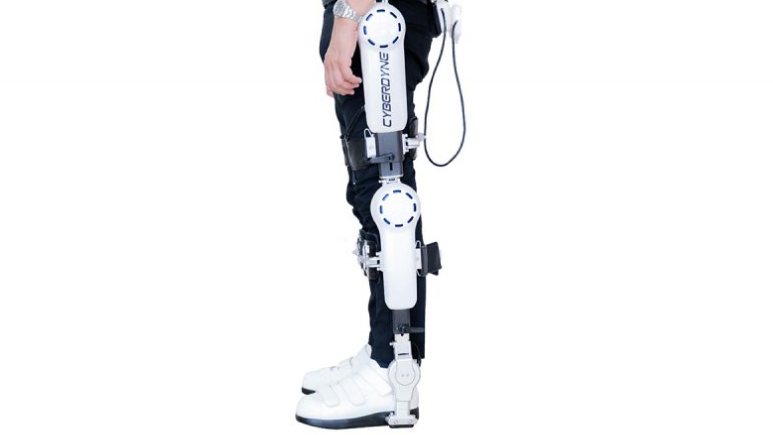
Neuro-Rehabilitation Robotics Technology
Innovative robotic assistance for patients with mobility impairments
World Medical Hospital has introduced the Hybrid Assistive Limb (HAL) robotic system developed by CYBERDYNE to support the rehabilitation of patients with stroke, spinal cord injuries, and mobility impairments. The HAL robot analyzes bioelectrical signals from the brain and muscles to assist and stimulate natural body movements, helping patients regain mobility more effectively and enhance their recovery outcomes.
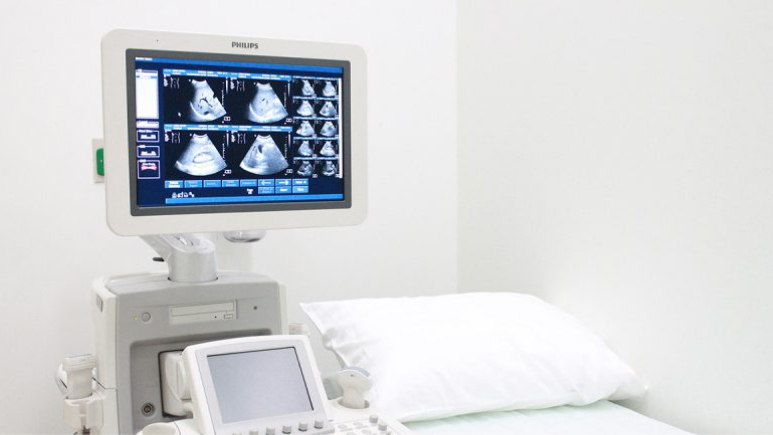
PACS System

PACS System
Medical image archiving and communication system for faster, more accurate diagnosis
The PACS (Picture Archiving and Communication System) is a digital platform that stores, retrieves, and transmits medical images via a computer network, all in compliance with DICOM standards. This technology enables physicians to access and analyze diagnostic images from computers or other devices both inside and outside the hospital, enhancing convenience and ensuring continuous monitoring of patient diagnostics and treatment progress.