
Occupational Health and Safety

BCH places great importance on occupational health and safety (OHS) in the workplace to protect the health and well-being of employees and to minimize potential operational risks
BCH complies with relevant laws and regulations, including the Labour Protection Act B.E. 2541 (1998) and the Occupational Safety, Health, and Environment Act B.E. 2554 (2011), and has established an Occupational Health and Safety Policy as a guideline for all employees to follow. All hospitals within the BCH network operate in alignment with both national healthcare standards under Hospital Accreditation (HA) and international quality standards under the Joint Commission International (JCI), ensuring a safe and high-quality environment for all employees and patients.

Goals


Key Operational Highlights 2025

cases

days

Summary of Work-Related Accident Reports Based on the company’s records of work-related accidents, various types of incidents were reported, including the following significant cases:
- An accident involving the retrieval of medical supplies from a storage cabinet, resulting in a fall and the use of the hand to break the fall, causing wrist swelling and requiring a soft cast.
- An accident involving a sharp object puncturing the hand, requiring a tetanus vaccination.
- Needlestick or sharp object injuries occurring during medical procedures or while passing instruments during procedures.
- Accidents involving exposure to bodily fluids or chemicals splashing into the eyes or oral cavity during work.

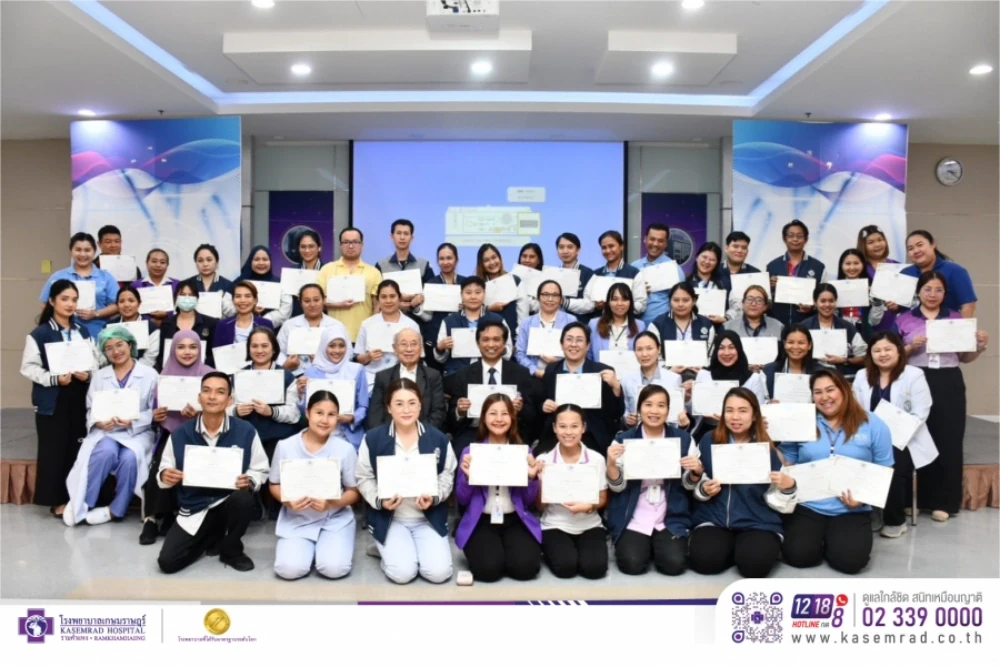
From the operational results in 2024, the most common causes of employee injuries were needlestick and sharps injuries during medical procedures and exposure to body fluids or chemicals splashing into the eyes. These incidents were primarily attributed to the improper use or absence of personal protective equipment (PPE). To prevent recurrence, hospitals within the BCH network have implemented corrective and preventive measures, including process improvements, training programs to enhance staff readiness, and strict follow-up and completion of corrective actions. These efforts aim to establish a strong safety culture and ensure the continuous reduction and prevention of occupational risks and impacts.
Management and Operation Approach
BCH has established an Occupational Health and Safety (OHS) Policy as a framework for creating a safe working environment and promoting the well-being of employee
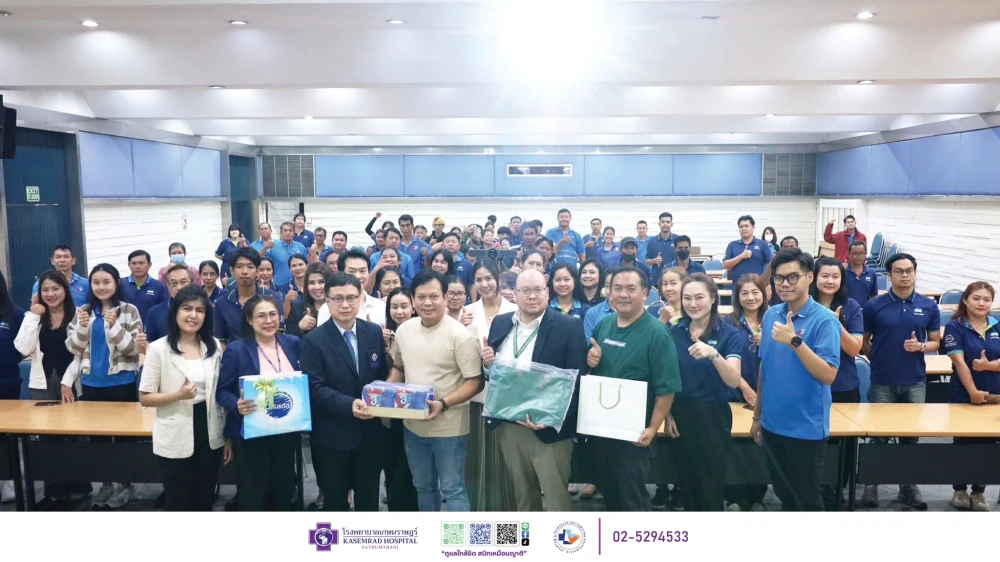
This policy defines OHS as a shared responsibility of all employees under the supervision of the Occupational Safety, Health, and Working Environment Committee (OHS Committee), which comprises representatives from both management and employees. The committee is responsible for monitoring, evaluating, and ensuring compliance with relevant laws and regulations, while also fostering a strong safety awareness culture across the organization.
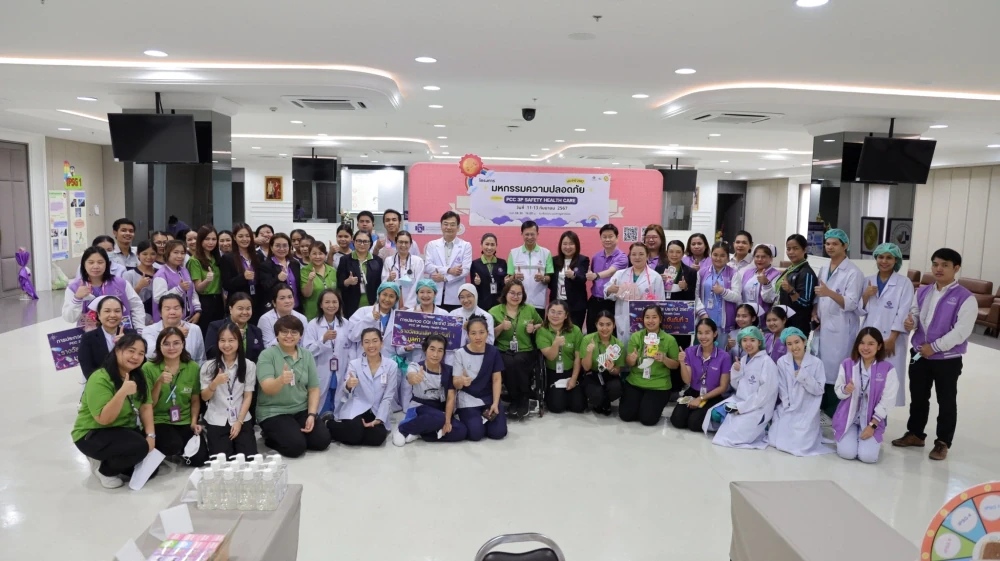
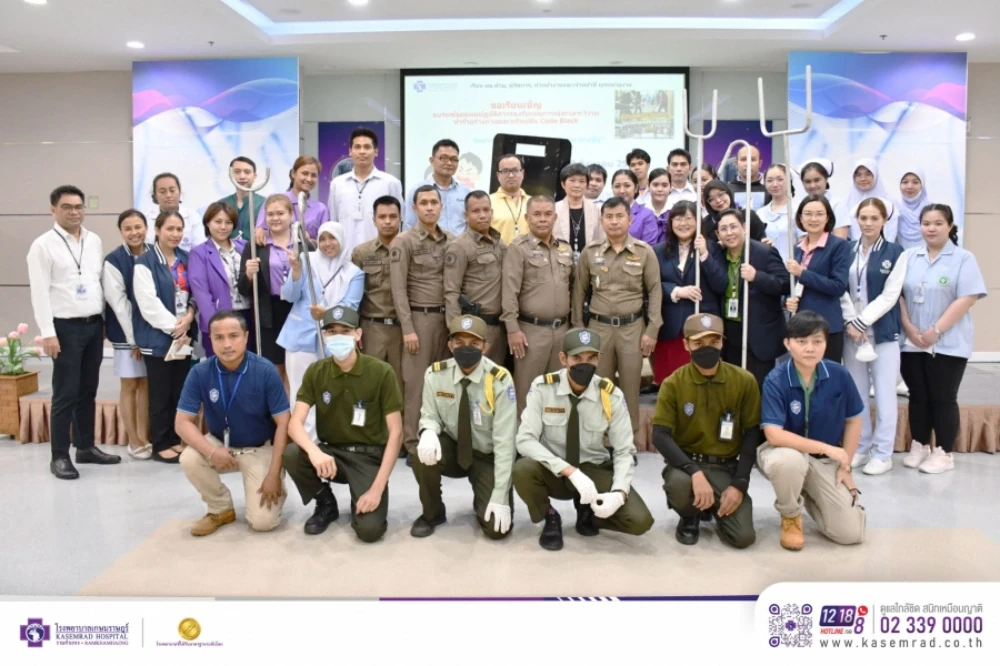
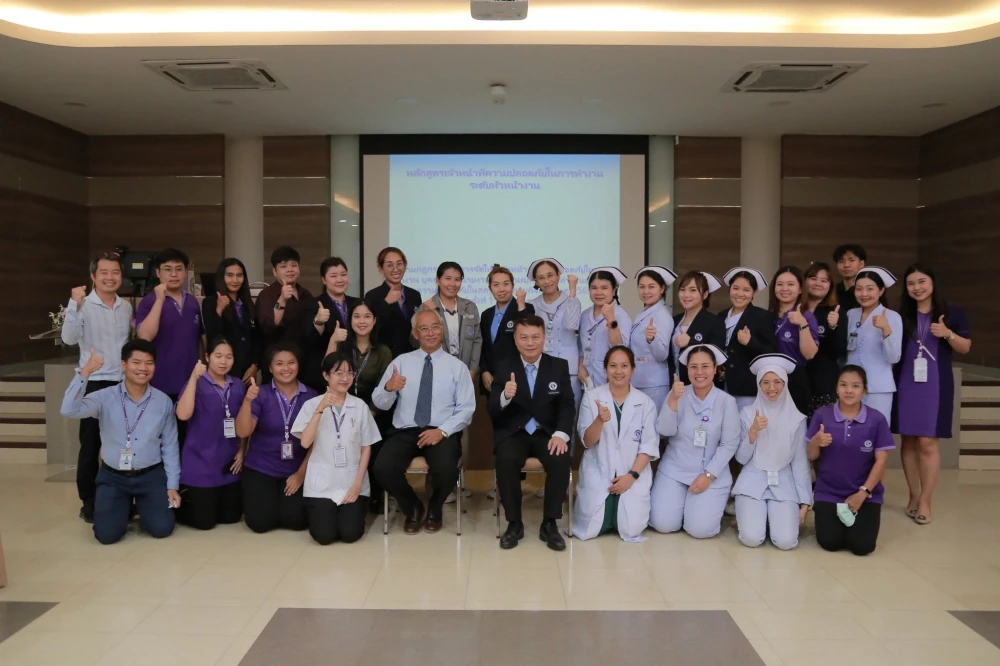
The OHS Committee holds regular meetings at least 12 times per year to share updates, gather feedback from employee representatives, monitor progress, and review safety performance for continuous improvement. In addition, BCH organizes various safety-related activities and communications to raise awareness and encourage safe working behaviors at all levels of the organization.


BCH places great importance on ensuring that contractors and suppliers comply with the company’s Occupational Health and Safety (OHS) standards.
The company’s procurement process is designed to select only those business partners who prioritize safety and maintain an appropriate OHS management system. Safety-related criteria and requirements are incorporated into the supplier selection and evaluation process, such as compliance with relevant regulations, provision of safety training for employees, and the use of certified personal protective equipment (PPE). These measures help reduce risks, prevent accidents, and create a safe working environment throughout the company’s entire supply chain.

Occupational Risk Assessment and Safety Management
BCH places strong emphasis on the management of safety, occupational health, and working environment, adhering to relevant legal frameworks such as the Labour Protection Act B.E. 2541 (1998) and the Occupational Safety, Health, and Environment Act B.E. 2554 (2011). These frameworks serve as the foundation for fostering a safety-oriented culture and ensuring alignment with established occupational safety standards.
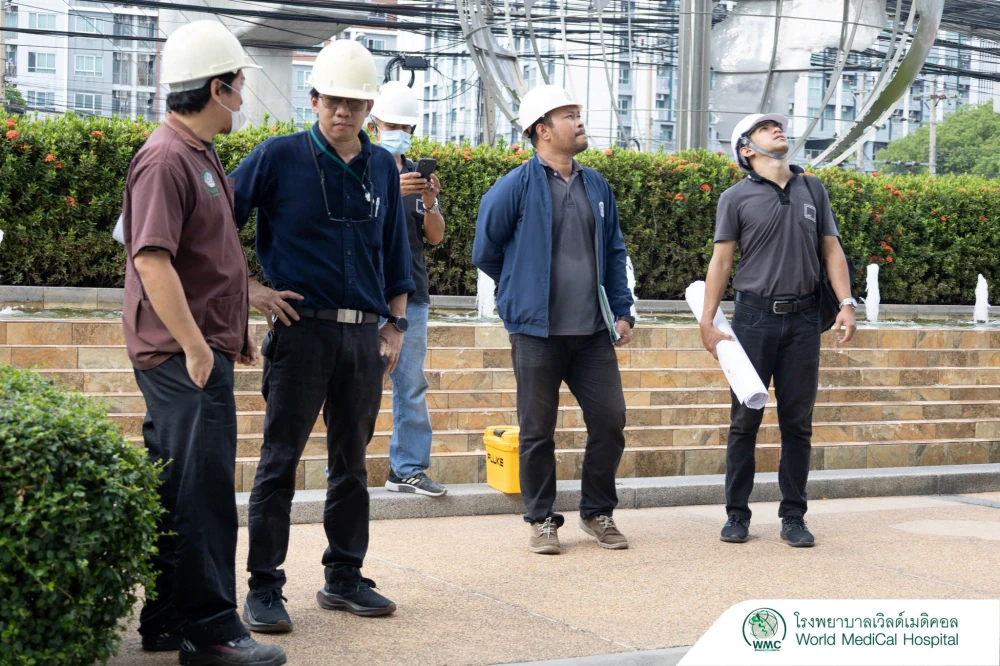
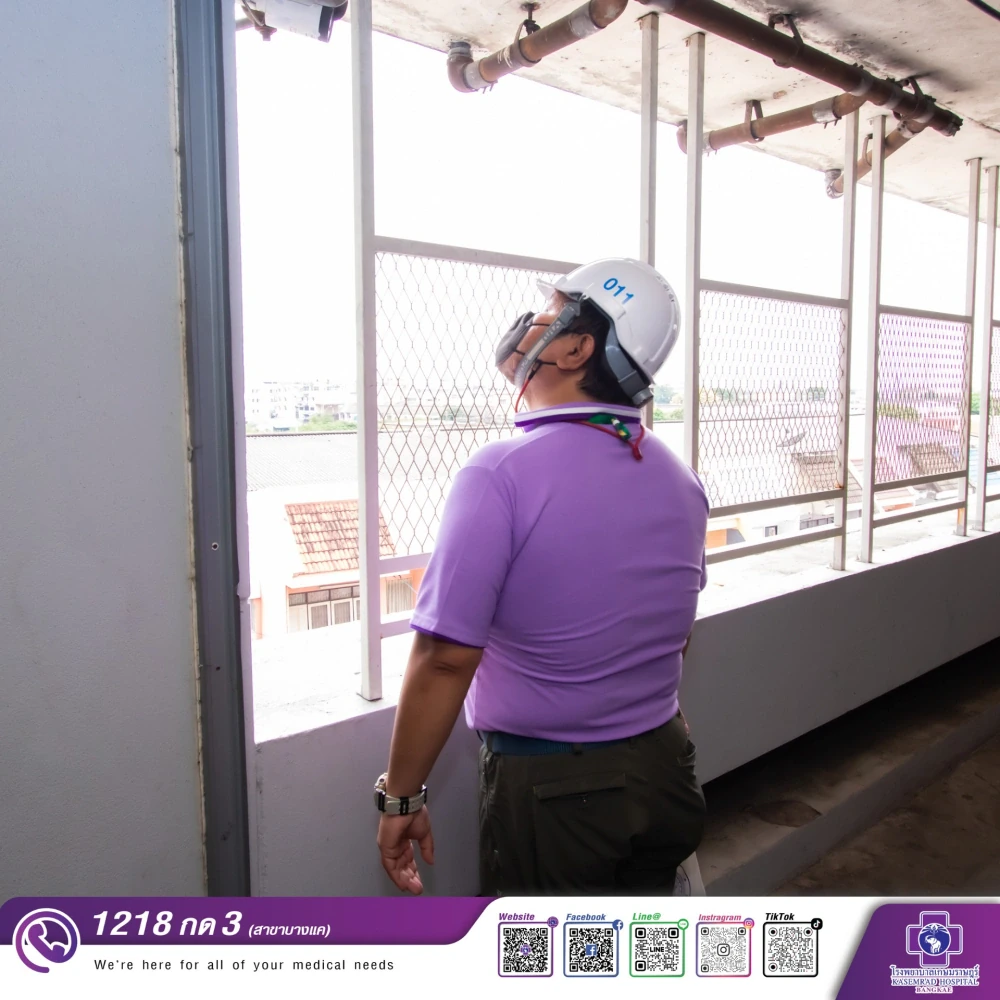
To ensure systematic management, hospitals within the BCH network have implemented comprehensive risk assessment procedures covering all departments and operational areas. Regular inspections and reviews are conducted to identify potential health hazards, analyze the likelihood of incidents, assess the level of exposure and severity of risks, and determine appropriate preventive, control, and corrective measures to maintain a safe and healthy workplace.
| High-risk activities | Investigation process | Risk mitigation measures |
|---|---|---|
| Working at height |
|
|
| Working in a confined space |
|
|
| Hot work |
|
|
| Machine at Work |
|
|
Incident Investigation and Emergency Response
Reporting and Incident Investigation
The hospital has divided reporting of events, incidents, and risks within the organization into 9 categories as follows:
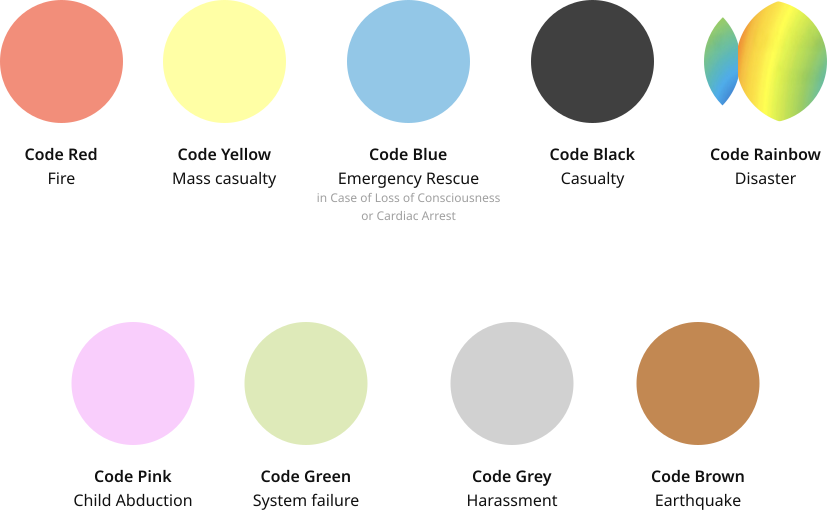
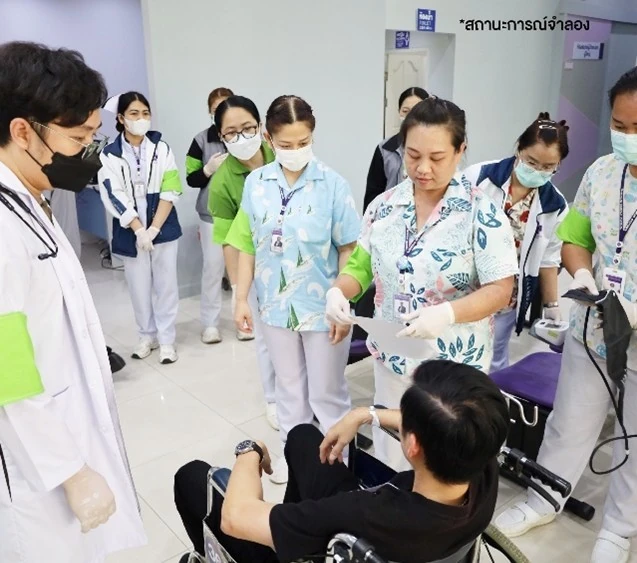
When such incidents occur, witnesses are required to notify authorized persons immediately. A working group will then be appointed to investigate the incidents, identify the root causes, and determine preventive measures. There will also be a follow-up on corrective actions to improve efficiency and achieve maximum effectiveness.
Emergency Response
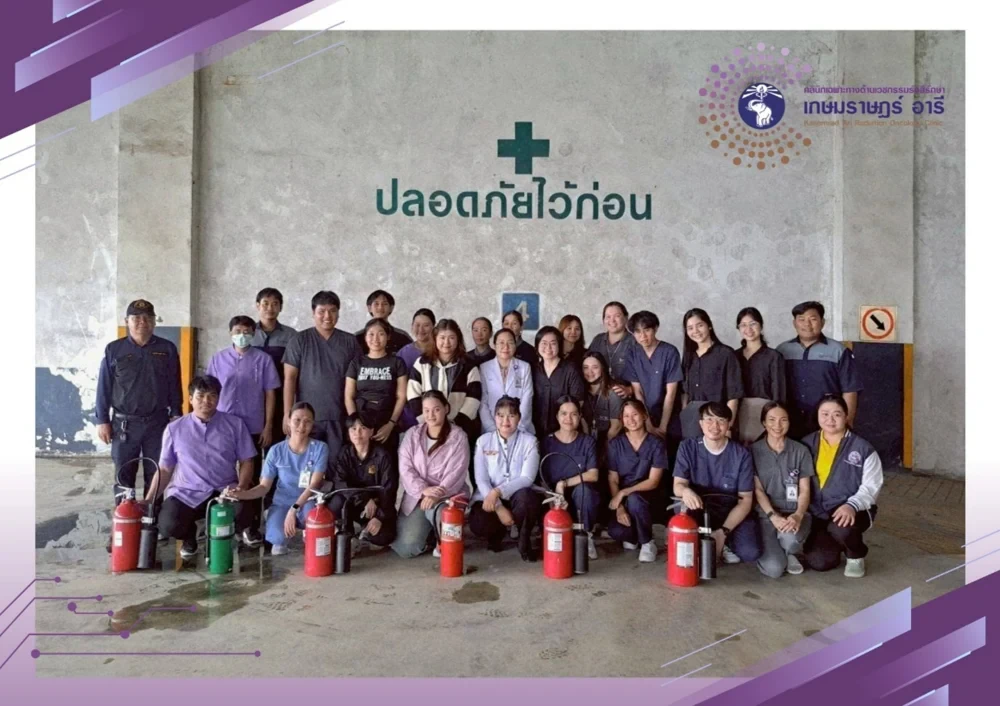
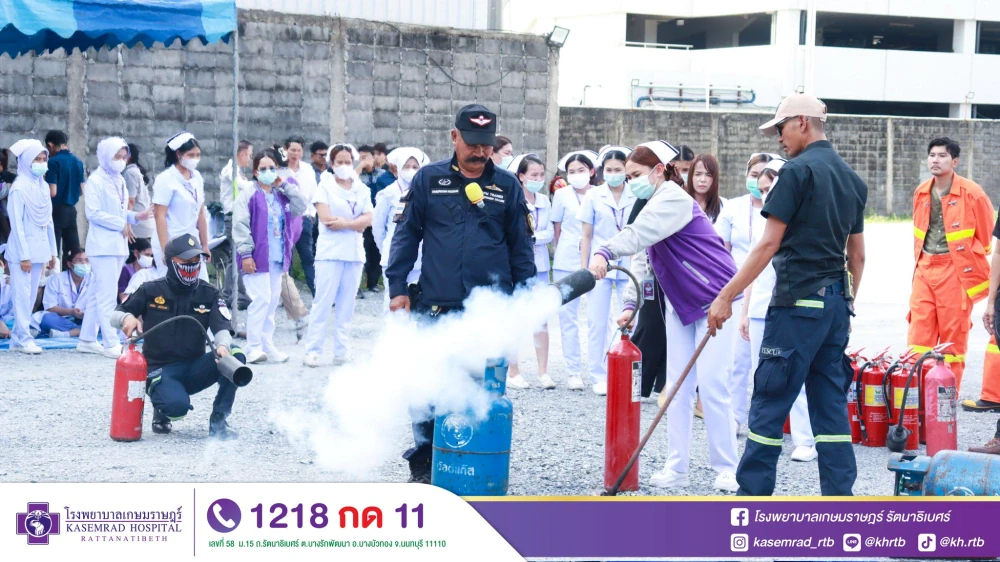
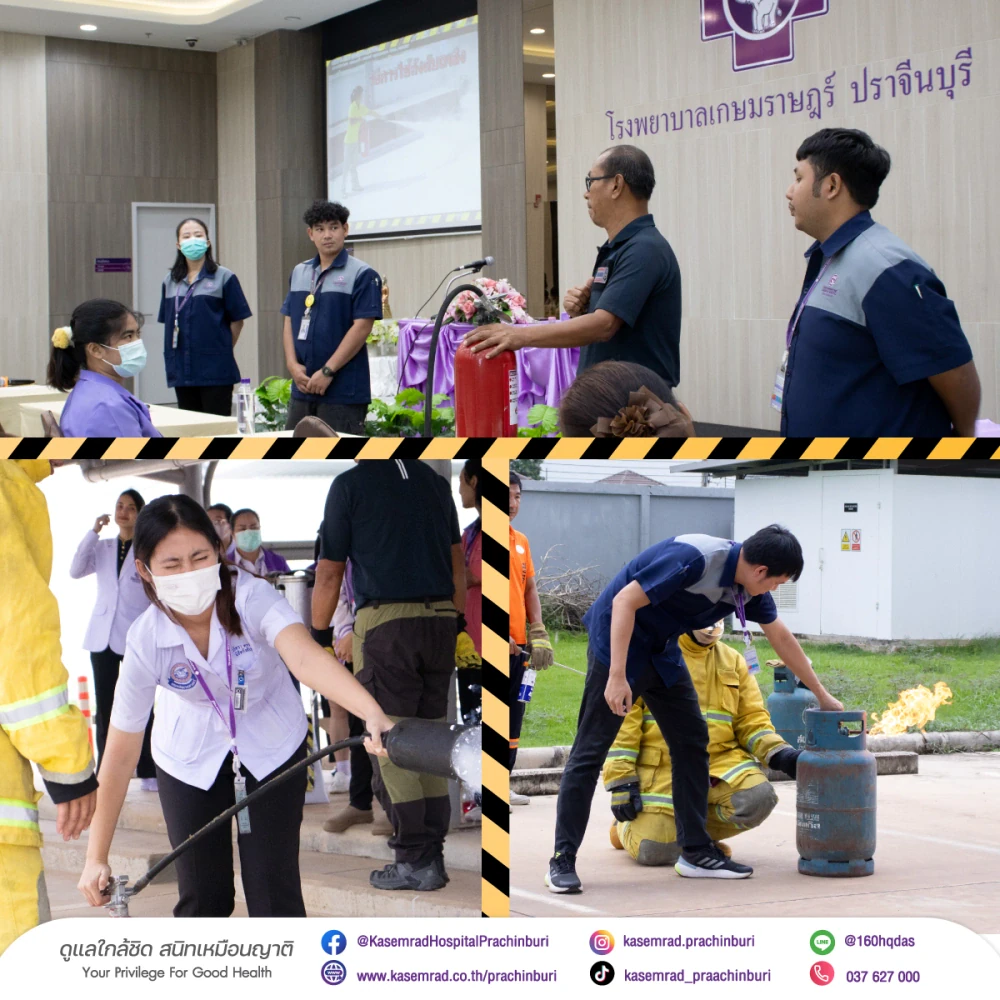
In case of fire, for example, the hospital has determined the assessment of and compliance with emergency plans and follows the RACE procedures as follows
Rescue
means removing the injured person from the scene to a safe place.
Alarm
means ring the fire alarm and call 1234 to report the fire.
Containment
means closing the doors and windows of the room where the fire occurs, switching off the oxygen valve, and preparing spare oxygen tanks for patients.
Extinguisher
means using a fire extinguisher to extinguish a fire as follows:
- Pull the fire extinguisher pin
- Release the hose
- Squeeze the lever
- Aim at the base of the fire
In the case of an unmanageable fire incident, patients, their families, and hospital employees must evacuate to a safe area. The Company has designated an assembly point in front of the Bright TV building. If the fire spreads to the Bright TV building, the assembly point will be moved to the area in front of the convenience store located near the hospital. There is also a support unit that is responsible for contacting and requesting assistance in the event of an emergency from the Department of Disaster Prevention and Mitigation.